
The Rules Changed. Nobody Sent a Letter.


 |
Deals Catchers • August 19, 2026
 By Mike Lee · 19 Aug 2026
A tax bill signed thirteen months ago quietly rewrote how retirement income gets taxed this year. Almost nobody was told which parts start now.
Most Americans don’t realize they’re losing money to taxes until it’s too late. Get the free guide now — before the window closes. Ad


| Latest Stories | See all → |




Not because they cheated. Not because they were reckless. But because the rules changed — quietly. Get the free guide now — before the window closes. Ad
| The Week Ahead |
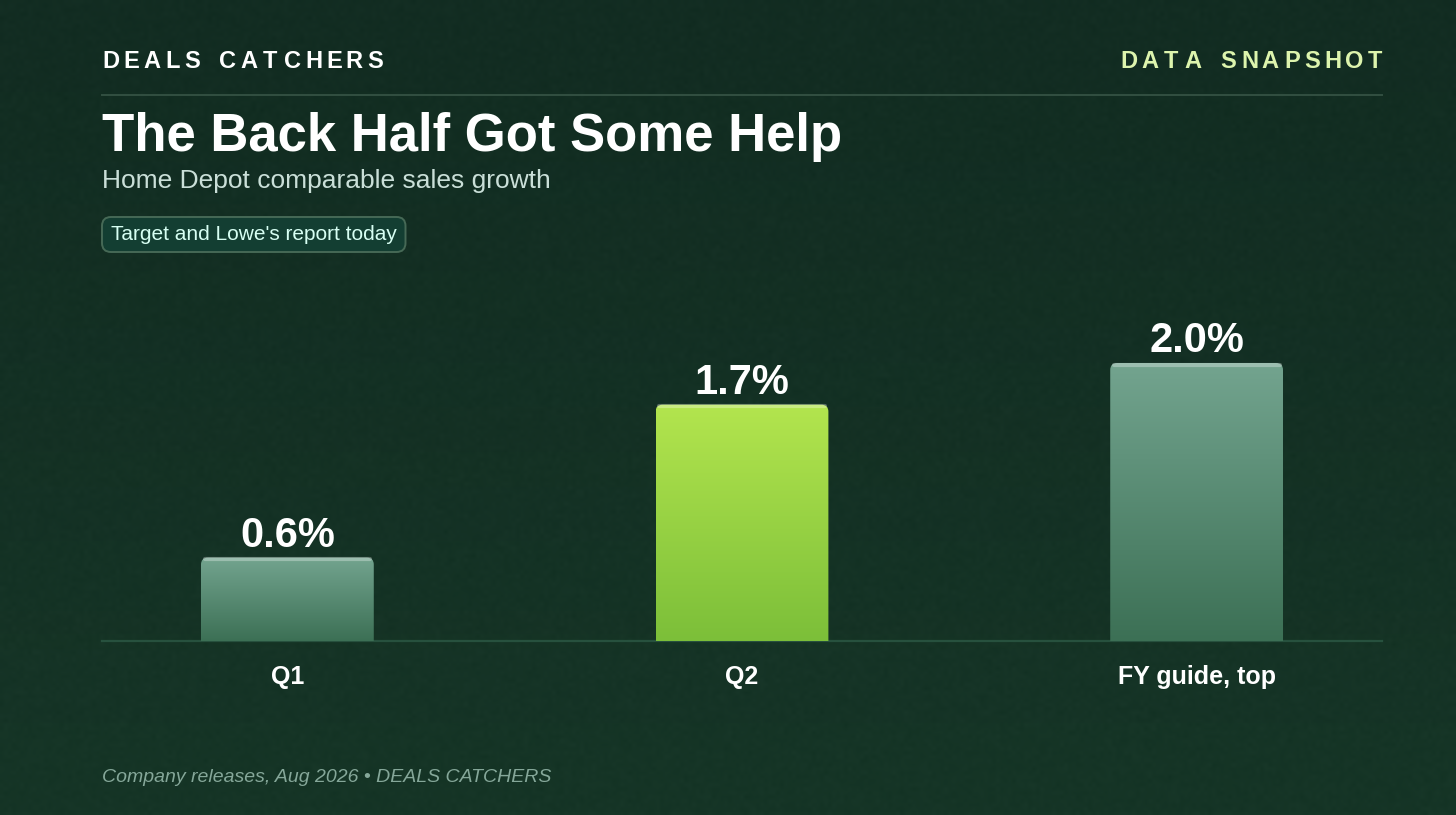
| Section 338 duties hit today at 50% on more than 400 Canadian tariff classifications, with softwood lumber, steel and aluminium carved out under existing measures. It is a cost story for the whole retail complex, not only home improvement. |
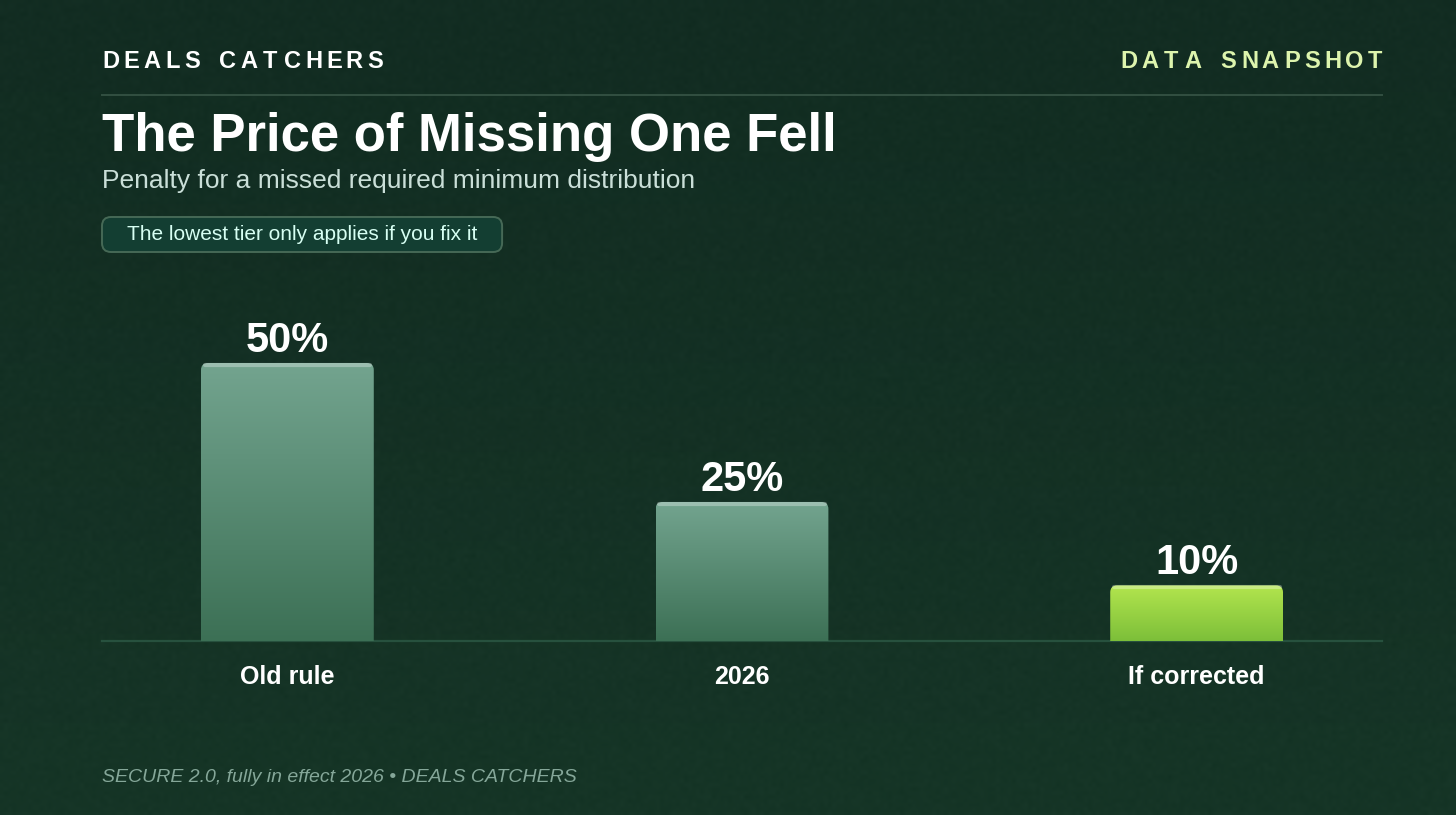
| Four months remain in a tax year running under new rules. Roth conversions, charitable timing and the 0% capital gains bracket at $49,450 for single filers are all December decisions that have to be made before December. |
| Warsh takes the Jackson Hole podium August 27–29, his first as chair, from a man who dislikes forward guidance and has floated cutting the number of FOMC meetings each year. Nvidia reports on the 26th. |
| The DOL’s alternatives rule could be finalised by year-end. If it is, 401(k) menus start changing in 2027 — the single largest pool of retirement money in the country gaining a door it has never had. |
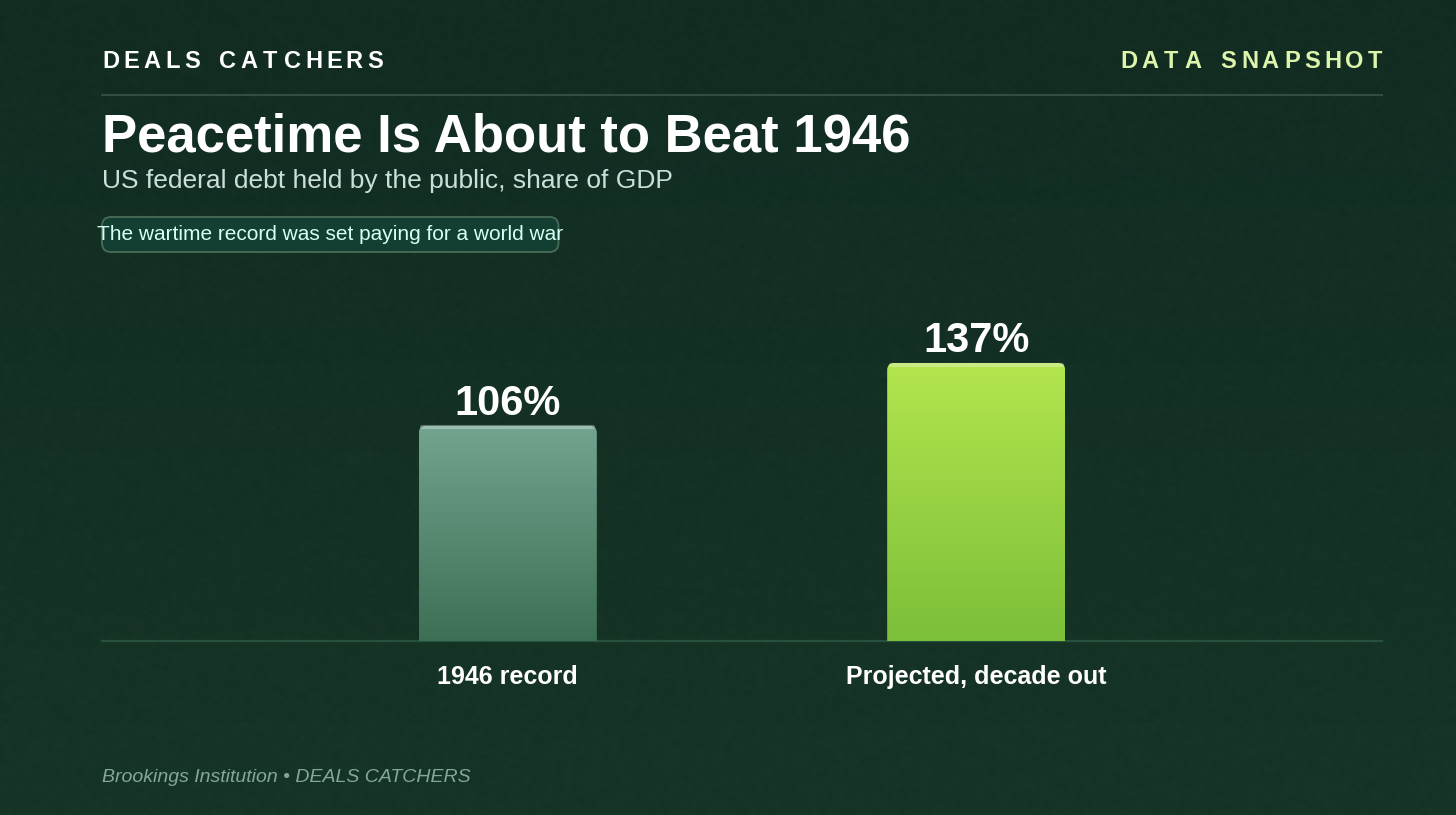
| Interest on the debt is now a permanent line item larger than the military budget. Every rate decision from here compounds it, which is the quiet reason a hawkish Fed is a fiscal question and not only a monetary one. |
|
Forget the hot picks — protect what you’ve already built, and check what changed while nobody was announcing it. Because the best trade you’ll ever make is the loss you never took.
— Lee
Thanks for reading. See you tomorrow.
✱ Sources & Disclosures
✱ Please read the offering circular and related risks at invest.modemobile.com. This is a paid advertisement for Mode Mobile’s Regulation A+ Offering.
Mode Mobile recently received their ticker reservation with Nasdaq ($MODE), indicating an intent to IPO in the next 24 months. An intent to IPO is no guarantee that an actual IPO will occur.
The Deloitte rankings are based on submitted applications and public company database research, with winners selected based on their fiscal-year revenue growth percentage over a three-year period.
Pro forma revenue and EBITDA, includes full year numbers of the businesses acquired throughout 2025.
Editorial figures from Public Law 119-21 and SECURE 2.0 provisions in effect for 2026; the Federal Register and Department of Labor proposed rule of March 30, 2026; US Treasury and Brookings Institution debt data; and company releases of August 18–19, 2026. Nothing here is tax or investment advice.
Mode Mobile recently received their ticker reservation with Nasdaq ($MODE), indicating an intent to IPO in the next 24 months. An intent to IPO is no guarantee that an actual IPO will occur.
The Deloitte rankings are based on submitted applications and public company database research, with winners selected based on their fiscal-year revenue growth percentage over a three-year period.
Pro forma revenue and EBITDA, includes full year numbers of the businesses acquired throughout 2025.
Editorial figures from Public Law 119-21 and SECURE 2.0 provisions in effect for 2026; the Federal Register and Department of Labor proposed rule of March 30, 2026; US Treasury and Brookings Institution debt data; and company releases of August 18–19, 2026. Nothing here is tax or investment advice.