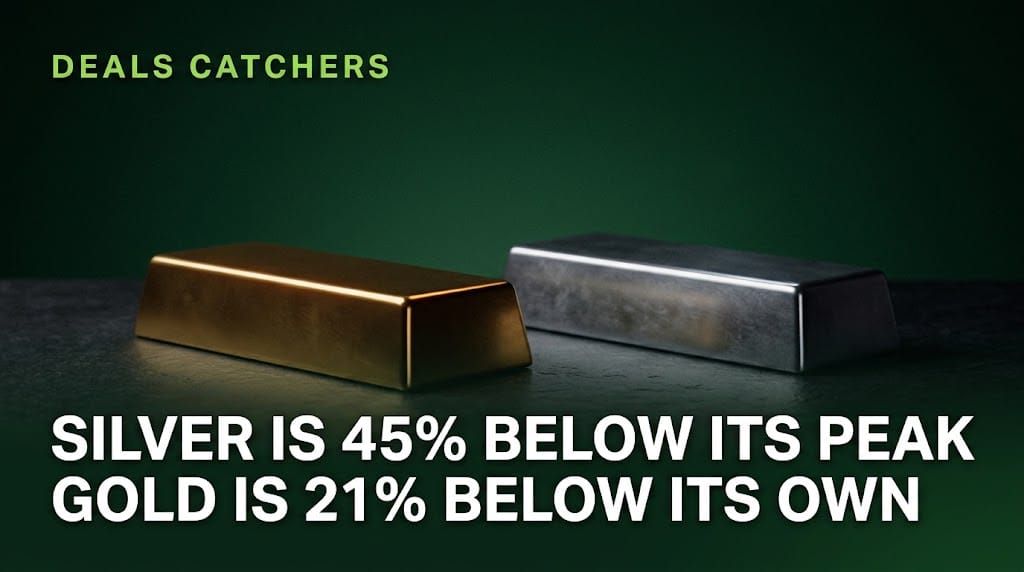
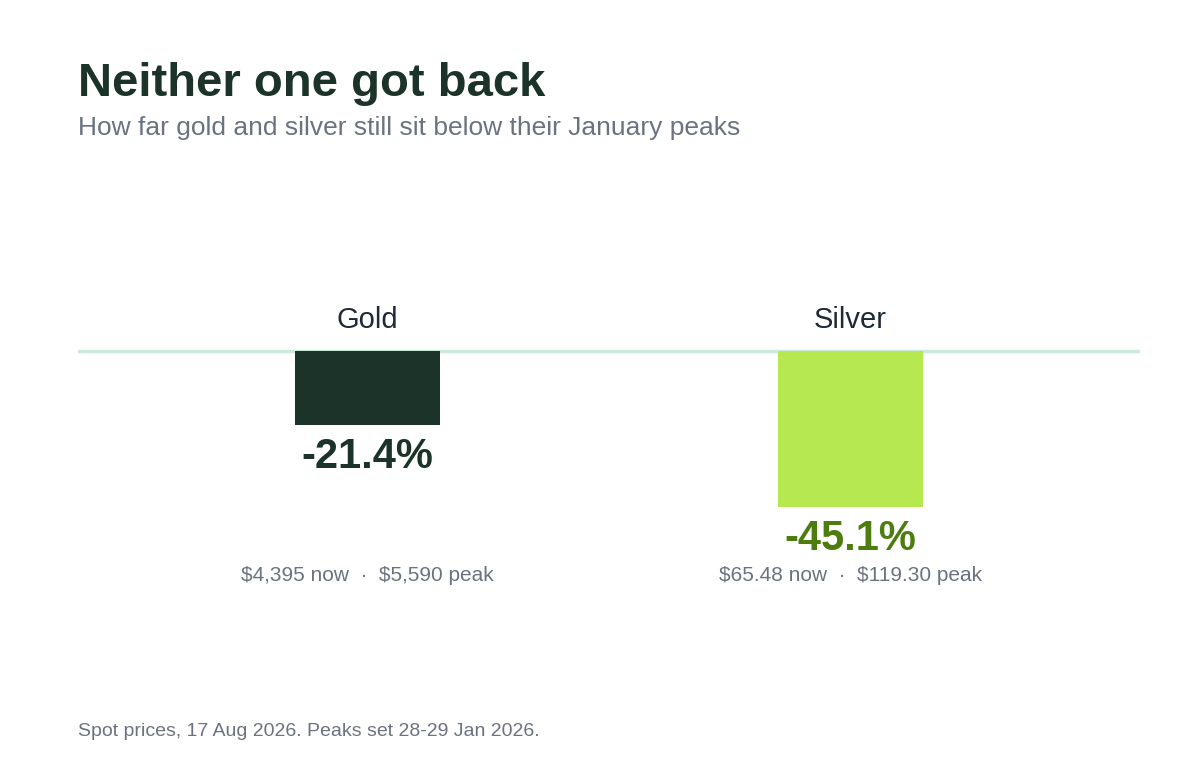
Silver Sits 45% Below Its Peak. Gold Sits 21% Below Its Own.

 |
Deals Catchers • August 17, 2026
 By Mike Lee · 17 Aug 2026
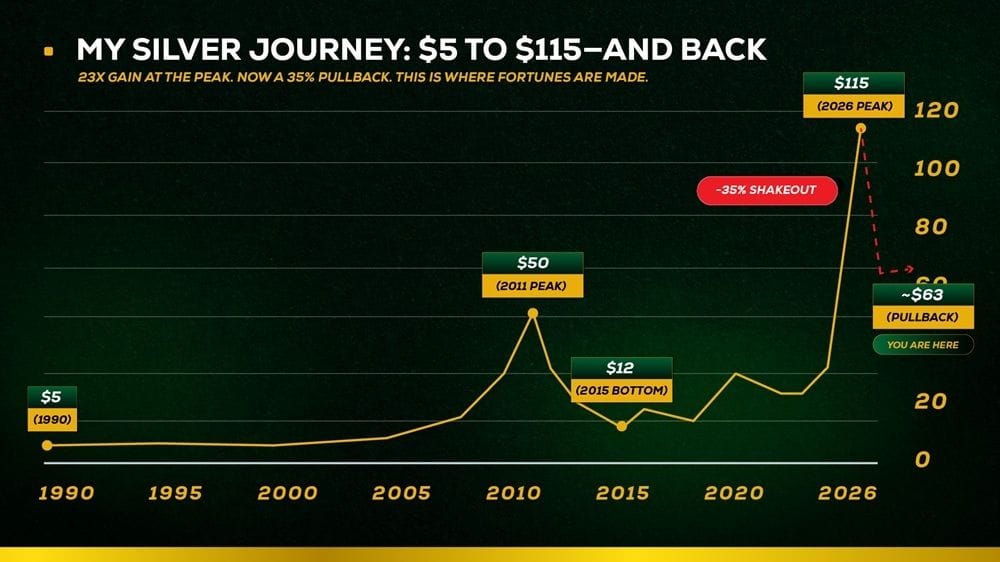
Gold is back near $4,400 and silver back above $65. Both are still a long way below where they stood in January — and the gap between them is the part worth reading.
Why are bank branches quickly and quietly closing across the country?? Click here now to see the details. Ad
| Latest Stories | See all → |

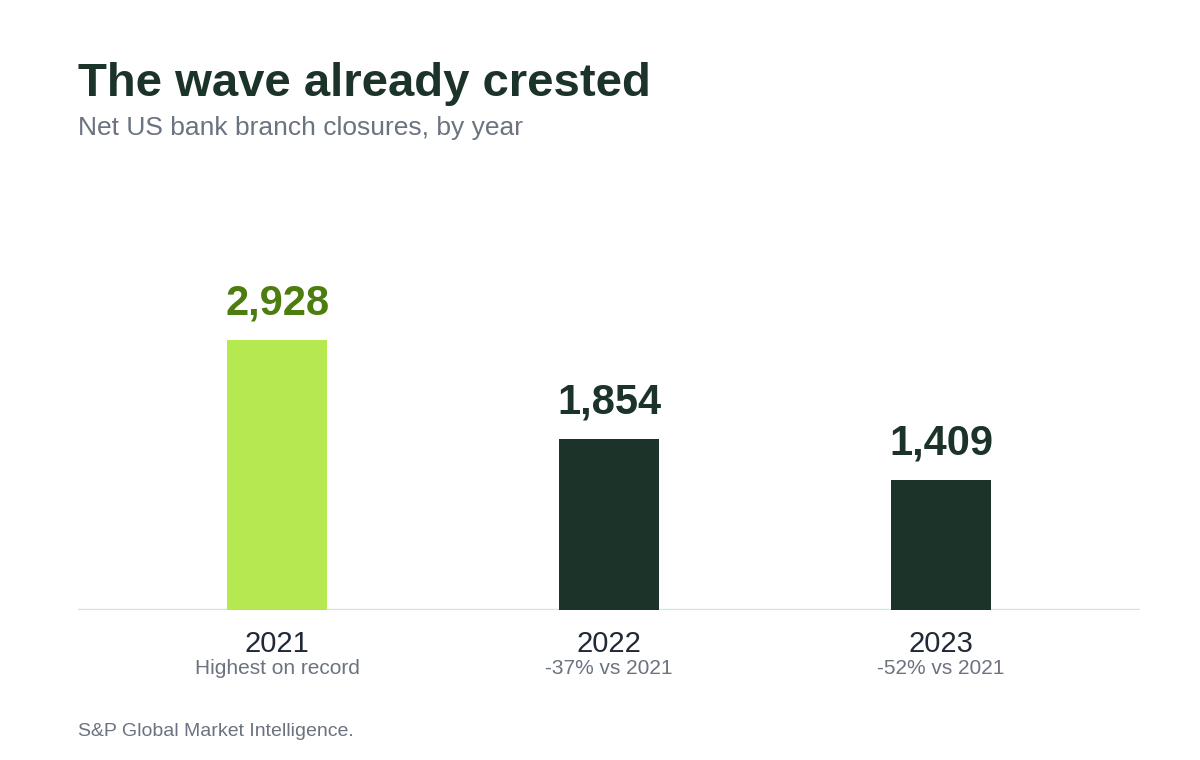
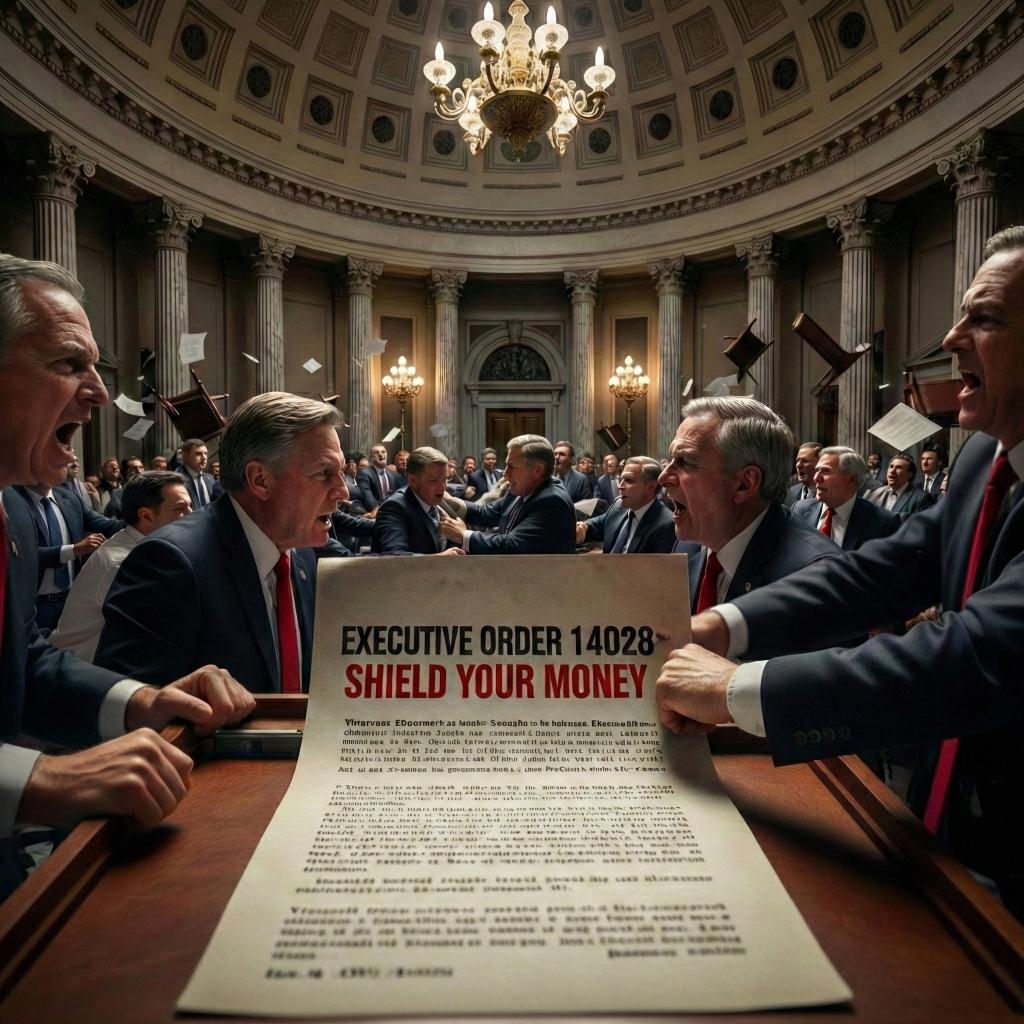


In just one week recently, 64 bank branch closures were announced. Click here now to see the details. Ad
| The Week Ahead |
| Reddit joins the S&P 500 this week. Index inclusion forces mechanical buying from every fund tracking the benchmark, regardless of what anyone thinks of the business. It is the cleanest example of a stock moving for reasons that have nothing to do with the company. |
| Silver coin and bar demand is set to rise 18% in 2026, the highest since 2022 — retail buying into a metal already 45% off its peak. Meanwhile silver used in solar panels is forecast to fall 19% this year as high prices push manufacturers to thrift it. The demand pillar that was strongest has become the weakest. |
| Nvidia reports August 26, and Warsh delivers his first Jackson Hole keynote as chair on the 27th to 29th — from a man who has made no secret of disliking forward guidance. Both sit outside this week and both matter more than anything inside it. |
| Analog Devices reports Wednesday, having guided to roughly $3.9 billion in revenue and $3.30 adjusted EPS against $3.62 billion last quarter. A quieter read on the same industrial demand that sets silver’s floor. |
| Bitcoin drifted back below $63,500, still inside the descending channel it has traded in for weeks. Worth noting only because it has stopped moving with the metals, which it did for much of last year. |
|
Forget the hot picks — protect what you’ve already built, and know where it actually sits before someone else decides that for you. Because the best trade you’ll ever make is the loss you never took.
— Lee
Thanks for reading. See you tomorrow.
✱ Sources & Disclosures
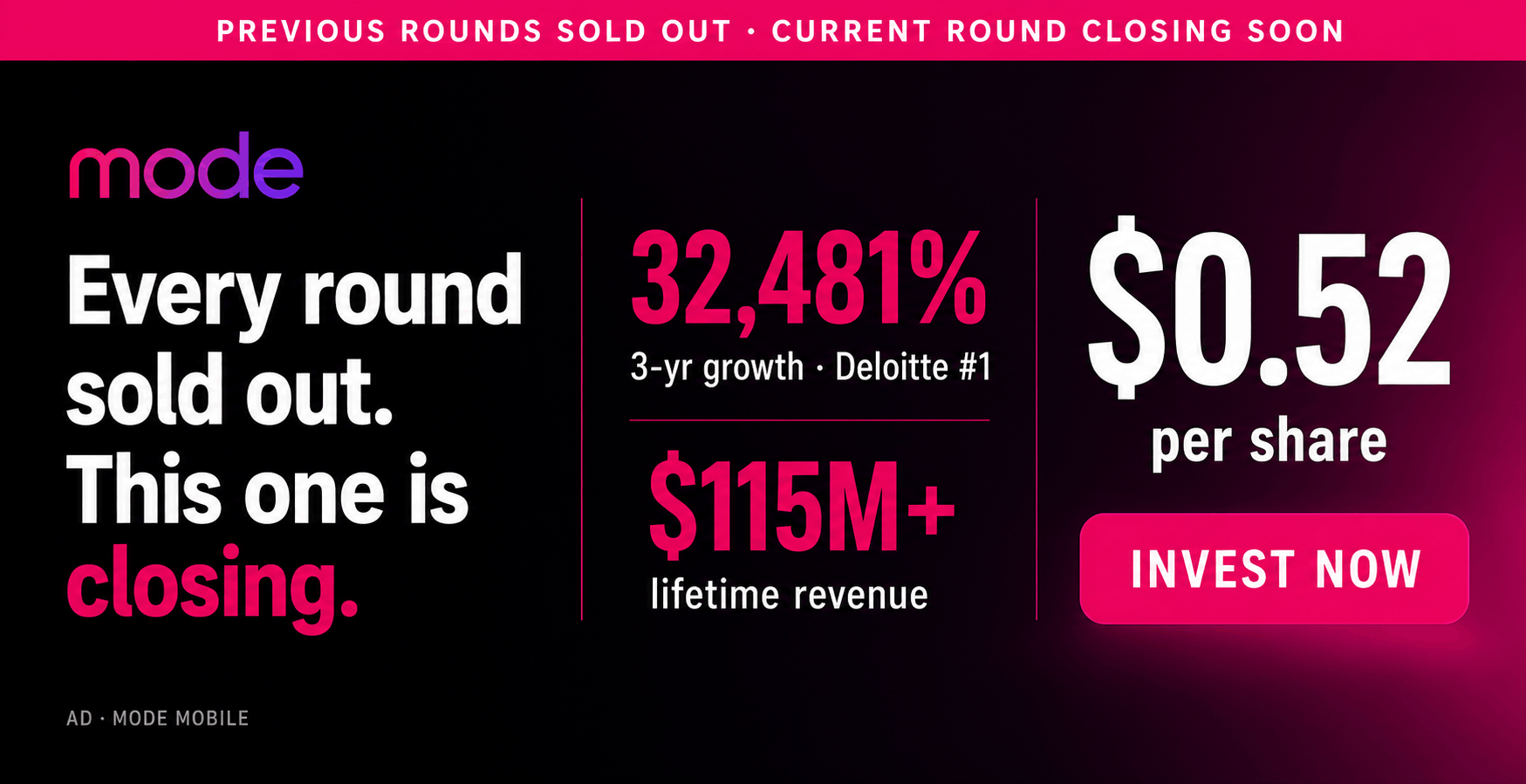
✱ Please read the offering circular and related risks at invest.modemobile.com. This is a paid advertisement for Mode Mobile’s Regulation A+ Offering.
Mode Mobile recently received their ticker reservation with Nasdaq ($MODE), indicating an intent to IPO in the next 24 months. An intent to IPO is no guarantee that an actual IPO will occur.
The Deloitte rankings are based on submitted applications and public company database research, with winners selected based on their fiscal-year revenue growth percentage over a three-year period.
Pro forma revenue and EBITDA, includes full year numbers of the businesses acquired throughout 2025.
Editorial figures from spot precious-metals quotes and market reports of August 14–17, 2026; World Gold Council; Silver Institute; FDIC institution and branch records; S&P Global Market Intelligence; CME FedWatch; FCC filings.
Mode Mobile recently received their ticker reservation with Nasdaq ($MODE), indicating an intent to IPO in the next 24 months. An intent to IPO is no guarantee that an actual IPO will occur.
The Deloitte rankings are based on submitted applications and public company database research, with winners selected based on their fiscal-year revenue growth percentage over a three-year period.
Pro forma revenue and EBITDA, includes full year numbers of the businesses acquired throughout 2025.
Editorial figures from spot precious-metals quotes and market reports of August 14–17, 2026; World Gold Council; Silver Institute; FDIC institution and branch records; S&P Global Market Intelligence; CME FedWatch; FCC filings.