Google Paid $3.2 Billion for $300 Million in Sales

 |
Deals Catchers • August 26, 2026
 By Mike Lee · 26 Aug 2026
Amazon paid $1 billion for a doorbell. Google paid $3.2 billion for a thermostat. Neither company was buying hardware.
Kevin O’Leary and the Sharks passed on Ring — only to watch Amazon buy it for over $1 billion. Lock in $2.50/share before Aug 31 → Ad


| Latest Stories | See all → |



The price changes on August 31. Lock in $2.50/share before Aug 31 → Ad
| The Week Ahead |
| Nvidia after the close tonight, Jackson Hole from tomorrow through Saturday. Twenty-four hours that decide how a record-high index carries into September. |
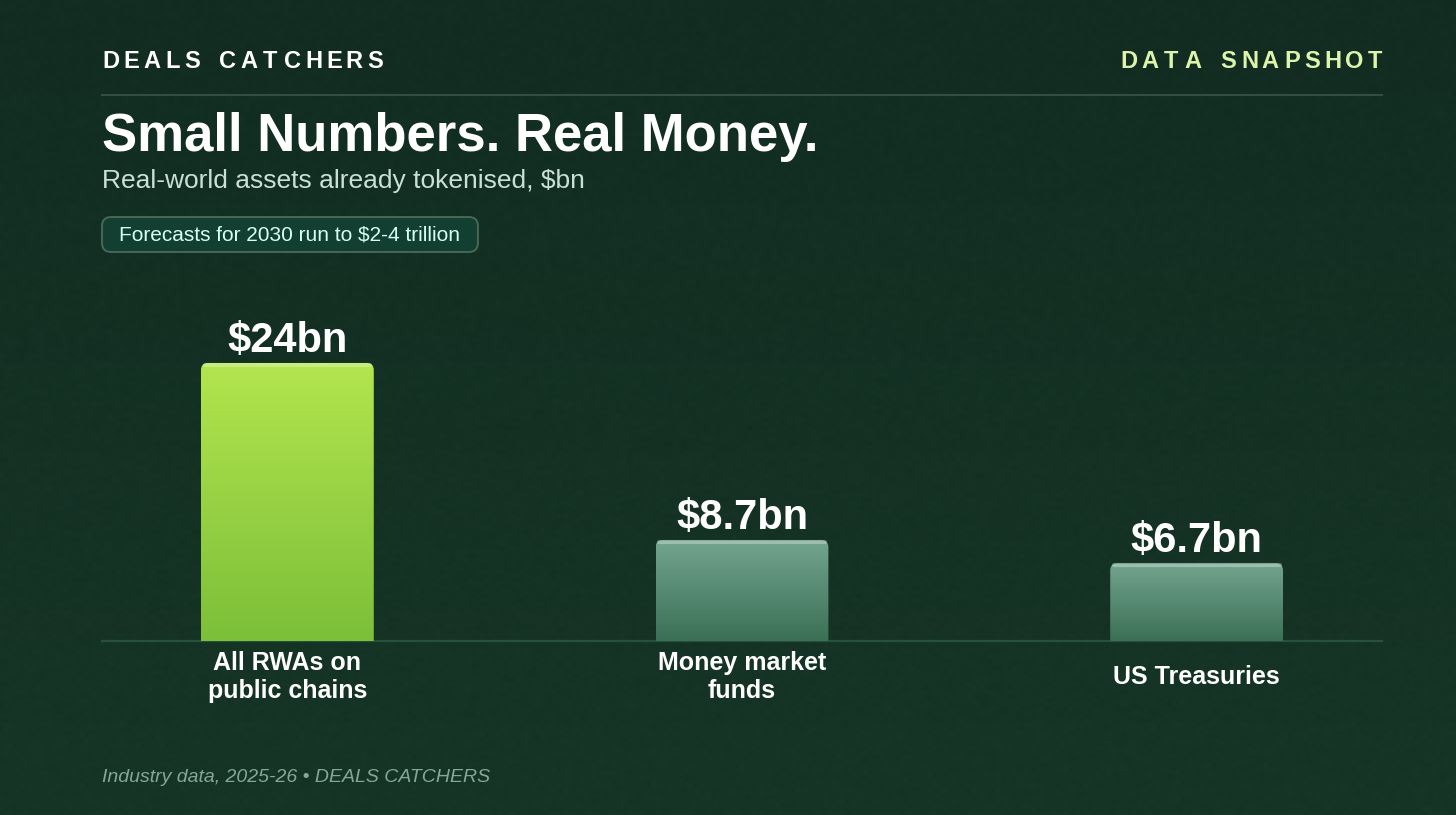
| The Clearing House targets the first half of 2027 for a network letting tokenised deposits move between banks. Until then each bank’s launch is an island, and that date is the one worth diarising. |
| Matter now ships on 40% of new smart home devices, against under 5% two years ago, with 3,000-plus certified products. Interoperability is what turns a device brand into a commodity — and a commodity into an acquisition target. |
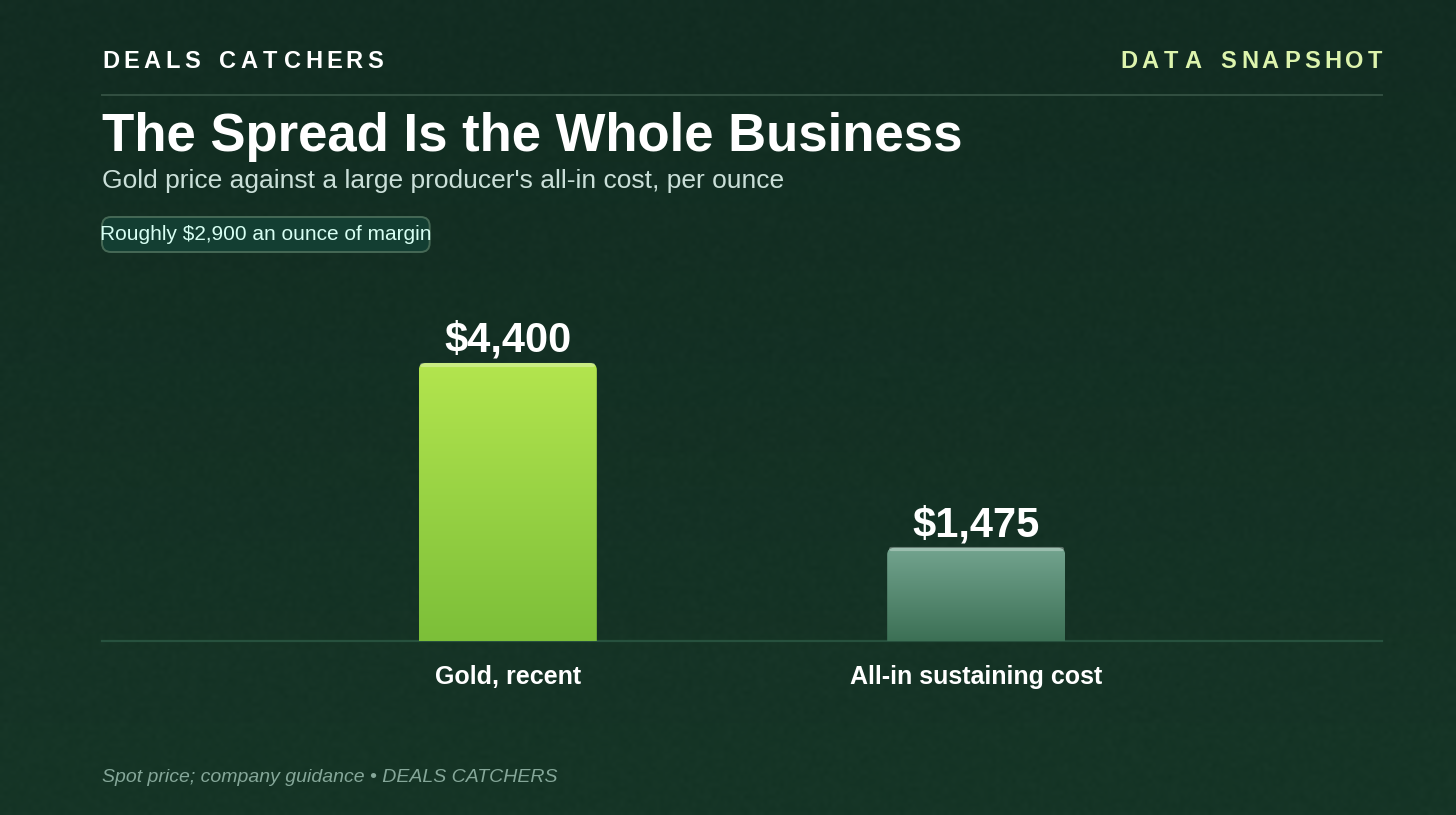
| Gold M&A has passed $7.9 billion across four major deals this year. With margins near $2,900 an ounce and reserves still depleting, the cash has to go somewhere and only one destination replaces what is being mined. |
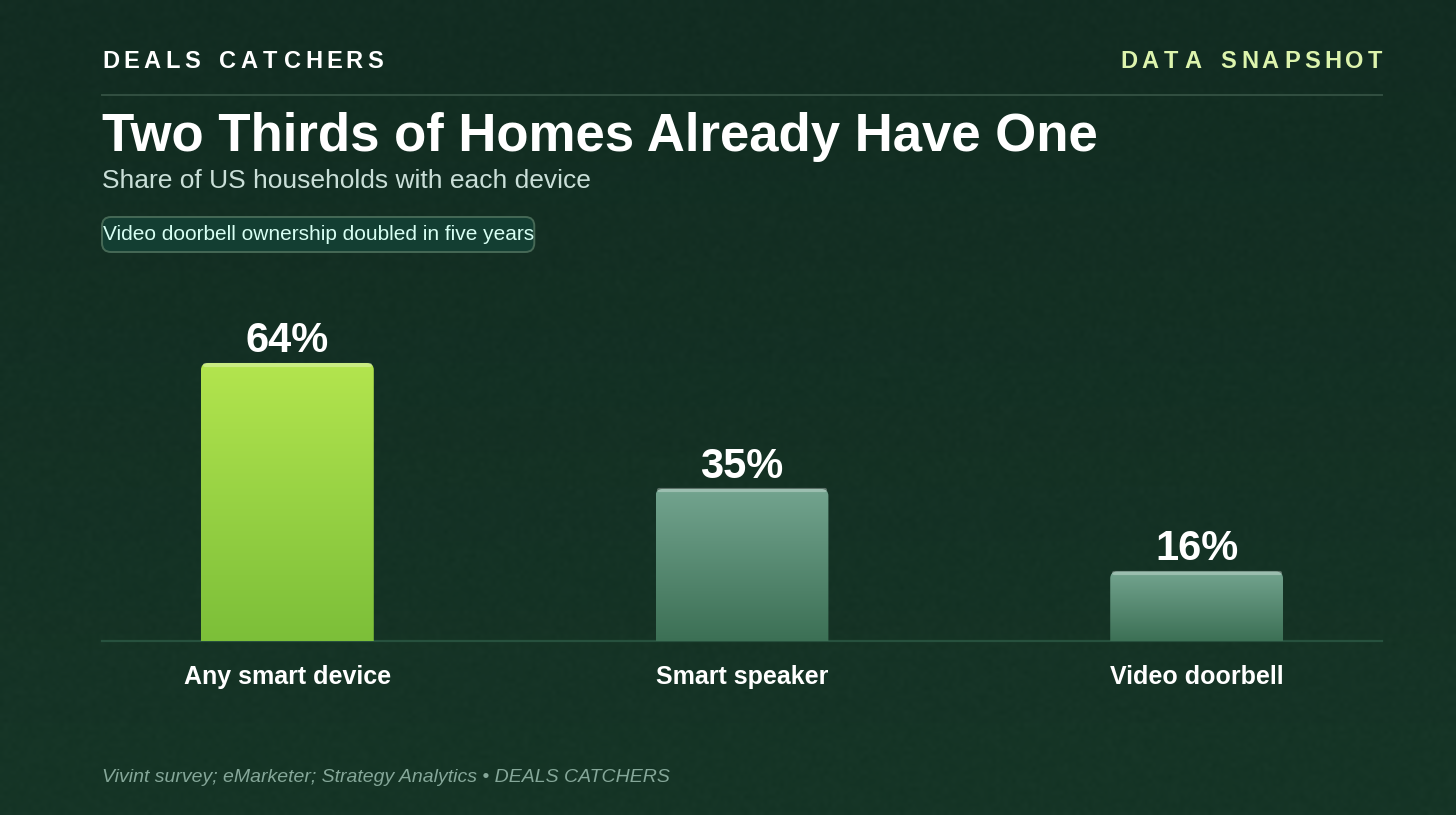
| Smart device prices have fallen 22% since 2021, and 53% of people who have not bought one still name cost as the main reason. The category’s next leg of adoption is a pricing question, not a technology one. |
|
Forget the hot picks — protect what you’ve already built, and ask what the buyer was really paying for before you decide what a thing is worth. Because the best trade you’ll ever make is the loss you never took.
— Lee
Thanks for reading. See you tomorrow.
✱ Sources & Disclosures
Important disclosures. This is a paid advertisement for RYSE Inc. made pursuant to a Regulation A+ offering and involves risk, including the possible loss of principal. The valuation is set by the Company; there is currently no public market for the Company’s Common Stock. Nasdaq ticker “$RYSS” has been reserved by RYSE; any potential listing is subject to future regulatory approval and market conditions. Past share-price appreciation does not guarantee future returns. SEC qualification does not constitute SEC approval of the merits.
RYSE Inc., 96 Spadina Avenue, Suite 500, Toronto, ON M5V 2J6, Canada
RYSE Inc., 96 Spadina Avenue, Suite 500, Toronto, ON M5V 2J6, Canada