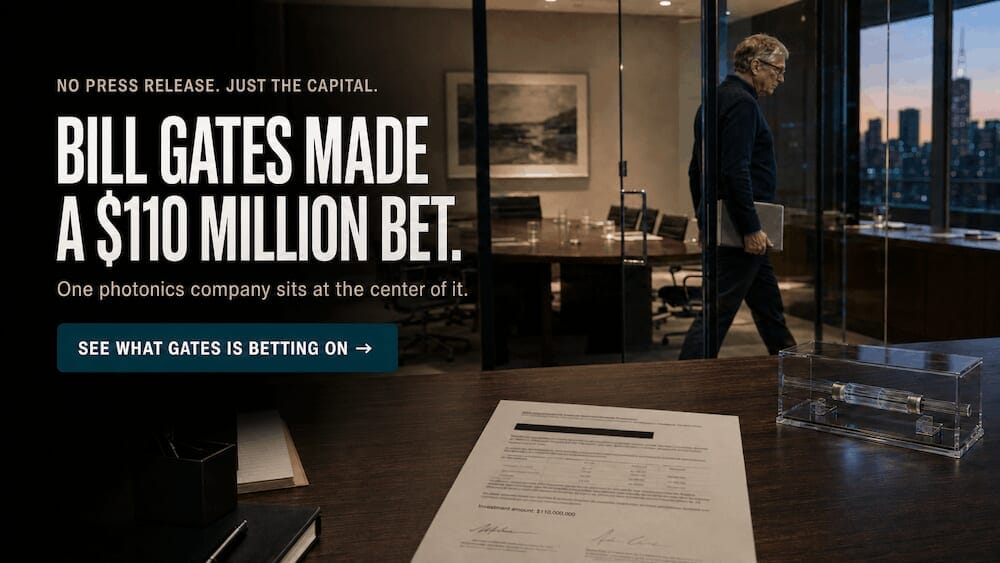
Gates Frontier Led a $110 Million Bet Against Silicon

 |
Deals Catchers • August 20, 2026
 By Mike Lee · 20 Aug 2026
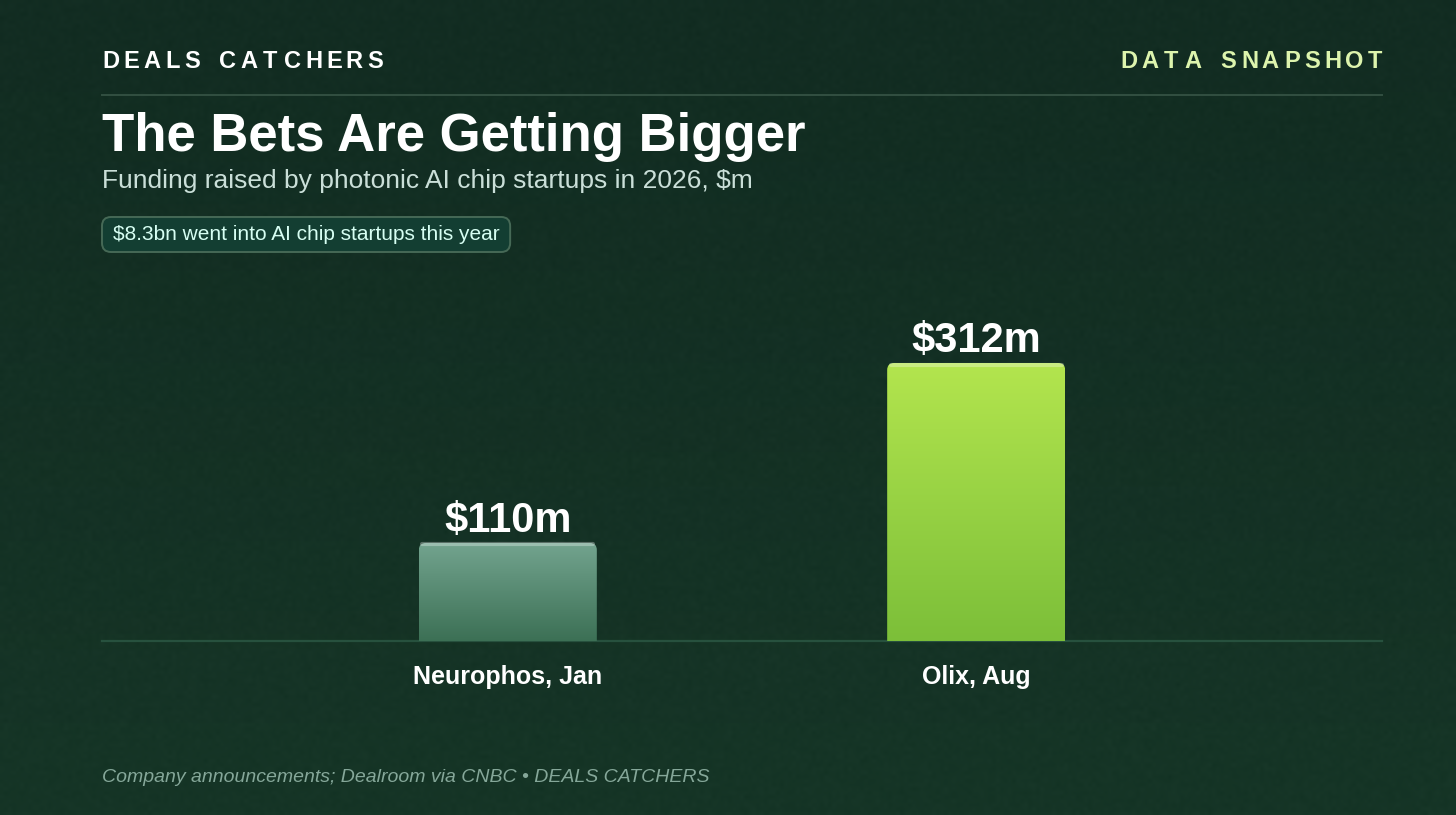
Silicon is running into the thermal wall. The money chasing the way around it has quietly doubled in seven months.
T-Mobile just enabled Starlink satellite connectivity on every iPhone and billions of phones are coming online for the first time. View the full offering before it’s too late Ad

| Latest Stories | See all → |


Starlink sells them the connection. That’s where its job ends. View the full offering before it’s too late Ad
| The Week Ahead |
| The retail week is done and the Fed takes the stage. Warsh delivers his first Jackson Hole keynote as chair on August 27–29, from a man who has dismantled forward guidance and floated cutting the number of FOMC meetings. Nvidia reports on the 26th. |
| September hike odds sit near 27% after Wednesday’s minutes, with the market fully pricing a move no earlier than the start of next year. That is a long way from the three dissents recorded at the July meeting. |
| SK Hynix announced a buyback of more than $28 billion, a record for the South Korean market, pledging to return over half its cumulative free cash flow between 2025 and 2027. Memory pricing is doing to that balance sheet what tariff refunds did to Walmart’s quarter. |
| Inflation remains solidly above 3% with the war with Iran keeping a bid under oil and, through it, under gasoline and anything that has to be shipped. That is the pressure sitting behind every retailer’s price investment promise. |
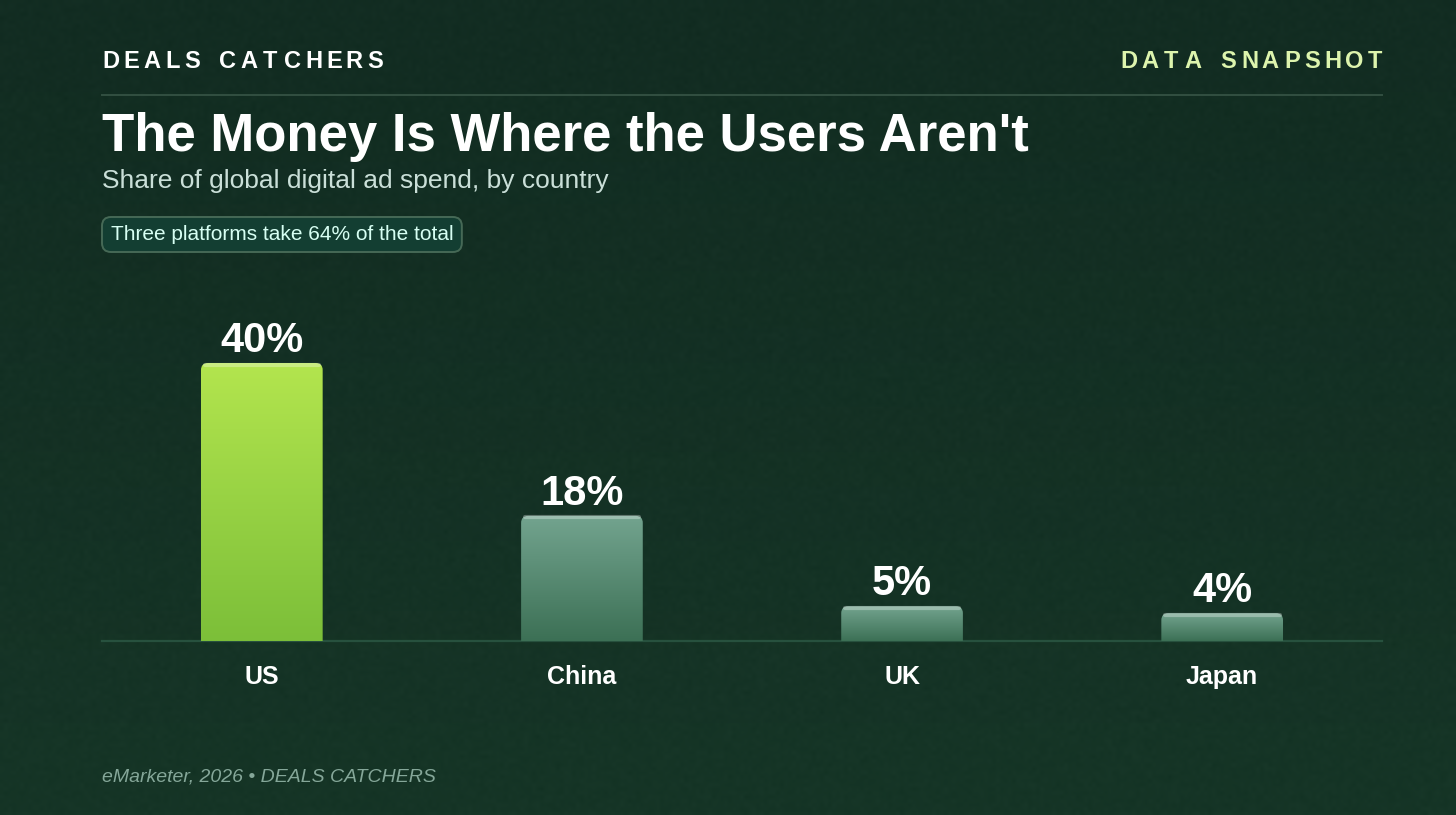
| Watch the ad line in every retailer’s next release. Walmart’s grew 37%; retail media is now the third wave of digital advertising after search and social, and Amazon, Walmart and Instacart account for 78% of that category between them. |
|
Forget the hot picks — protect what you’ve already built, and ask who collects before you ask who builds. Because the best trade you’ll ever make is the loss you never took.
— Lee
Thanks for reading. See you tomorrow.
✱ Sources & Disclosures
✱ Please read the offering circular and related risks at invest.modemobile.com. This is a paid advertisement for Mode Mobile’s Regulation A+ Offering.
Mode Mobile recently received their ticker reservation with Nasdaq ($MODE), indicating an intent to IPO in the next 24 months. An intent to IPO is no guarantee that an actual IPO will occur.
The Deloitte rankings are based on submitted applications and public company database research, with winners selected based on their fiscal-year revenue growth percentage over a three-year period.
Pro forma revenue and EBITDA, includes full year numbers of the businesses acquired throughout 2025.
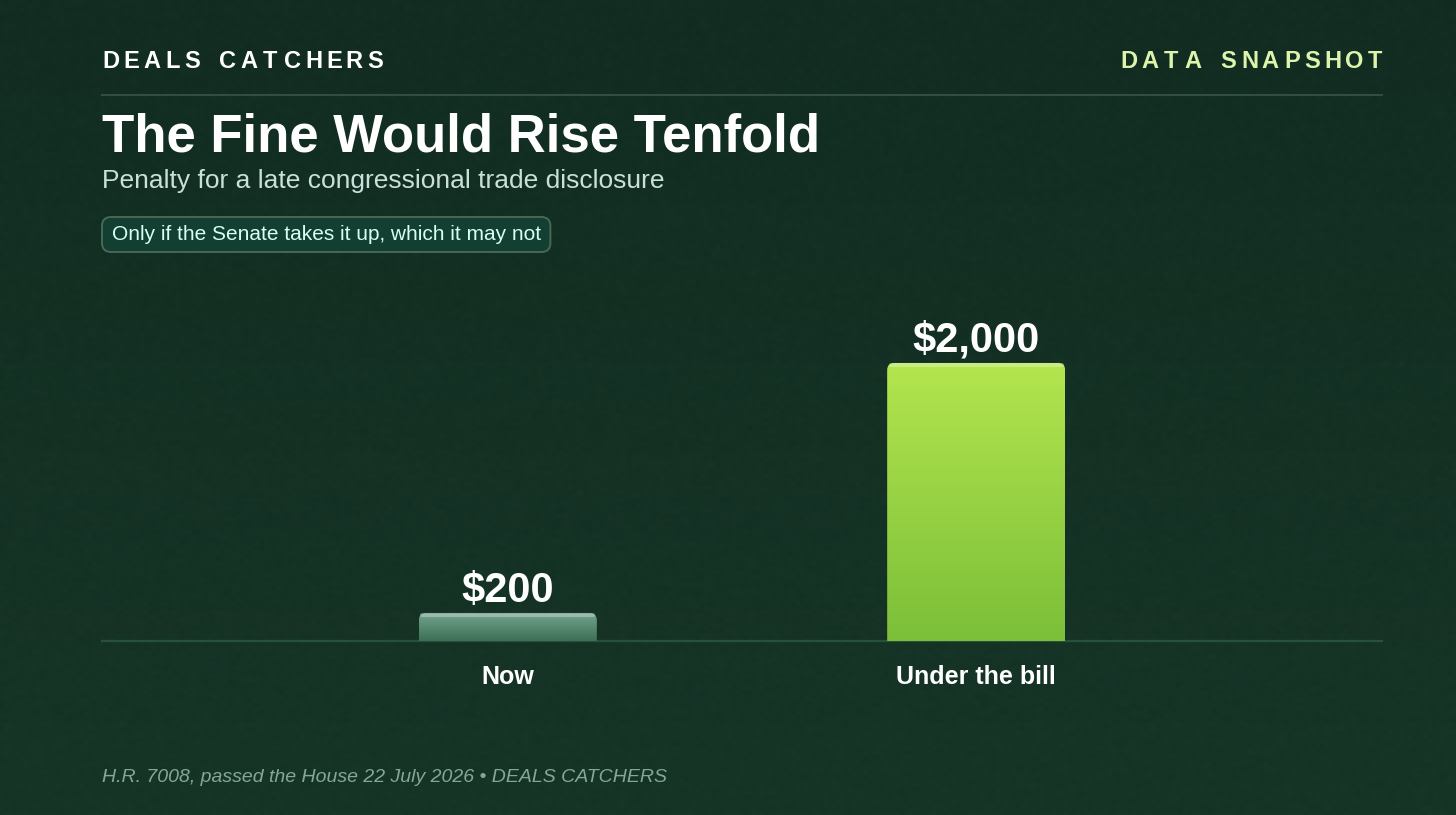
Editorial figures from company funding announcements of January and August 2026; Dealroom via CNBC; periodic transaction reports filed with the House Clerk and H.R. 7008 as passed on 22 July 2026; eMarketer 2026 advertising forecasts; and Walmart’s second-quarter release of 20 August 2026.
Mode Mobile recently received their ticker reservation with Nasdaq ($MODE), indicating an intent to IPO in the next 24 months. An intent to IPO is no guarantee that an actual IPO will occur.
The Deloitte rankings are based on submitted applications and public company database research, with winners selected based on their fiscal-year revenue growth percentage over a three-year period.
Pro forma revenue and EBITDA, includes full year numbers of the businesses acquired throughout 2025.
Editorial figures from company funding announcements of January and August 2026; Dealroom via CNBC; periodic transaction reports filed with the House Clerk and H.R. 7008 as passed on 22 July 2026; eMarketer 2026 advertising forecasts; and Walmart’s second-quarter release of 20 August 2026.