Coal Generation Rose 13%. Nobody Planned That.

 |
Deals Catchers • August 18, 2026
 By Mike Lee · 18 Aug 2026
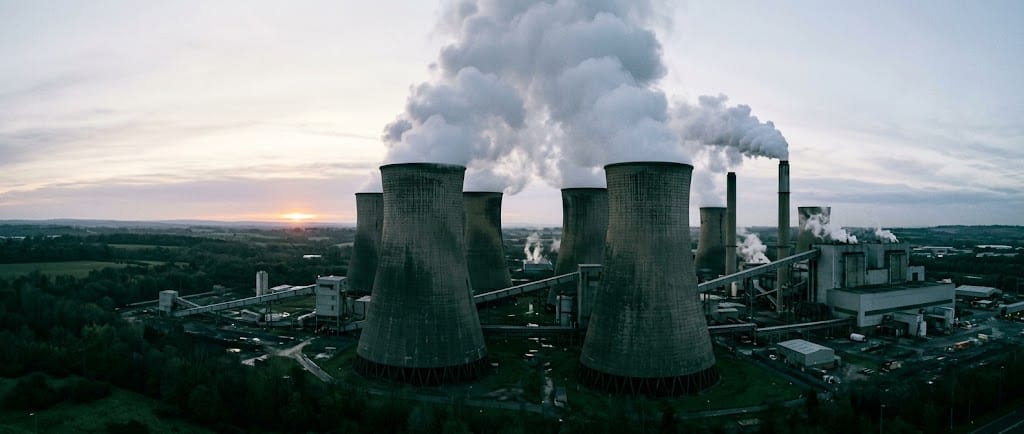
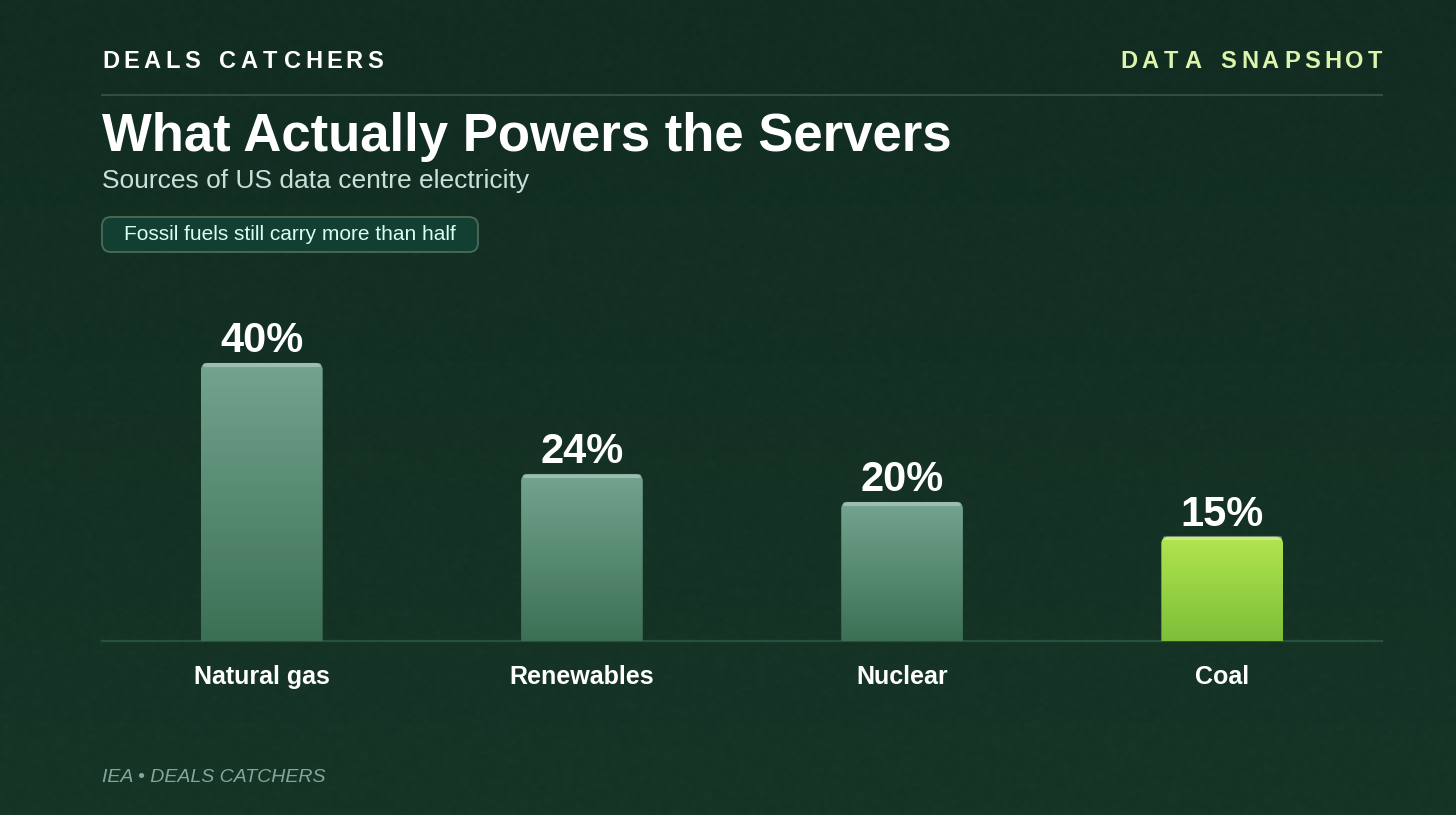
Utilities spent a decade planning to close their coal plants. Then the data centres arrived, and coal generation rose 13% in a single year.
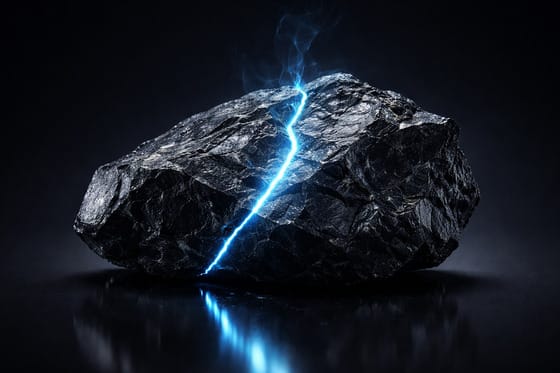
Call it coal's clean comeback: a way to convert coal into fuel without burning it. Invest in Frontieras before the opportunity ends on August 27. Ad

| Latest Stories | See all → |




The facility is expected to create 2,200 jobs and boost West Virginia's GDP. Invest in Frontieras before the opportunity ends on August 27. Ad
| The Week Ahead |
| The July Fed minutes publish Wednesday at 2 p.m. Rates were held at 3.50–3.75% on a 9–3 vote with all three dissents favouring a hike. With Warsh having dismantled conventional forward guidance, the minutes are the clearest read available on how wide the hawkish camp actually is. |
| Section 338 duties take effect Wednesday on more than 400 Canadian tariff classifications at 50%. Anything built from panel products, paper or plastics gets more expensive at the border overnight, which makes it a cost story for the whole retail complex, not only home improvement. |
| Warsh delivers his first Jackson Hole keynote as chair on August 27–29, from a man who has made no secret of disliking forward guidance and who has floated cutting the number of FOMC meetings. Nvidia reports on the 26th. Both sit outside this week and both matter more than anything inside it. |
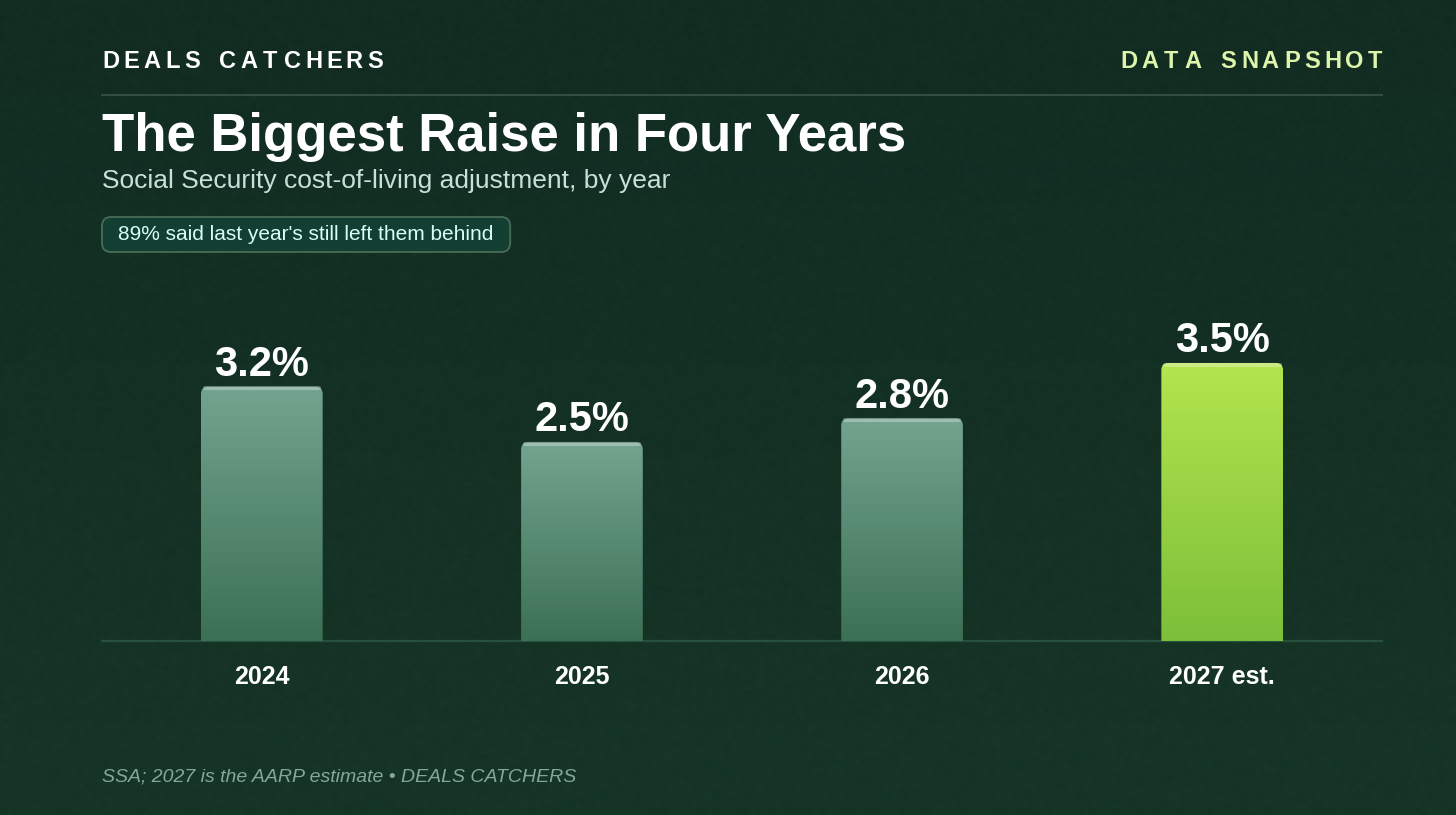
| The 2027 COLA is being calculated right now. It comes from CPI-W across July, August and September, so the August print due in a fortnight is one of the three numbers that decides it. Announcement lands mid-October. |
| Oil is the quiet variable under all of it. Trump said he is not interested in extending the interim deal with Iran, which puts an upward bias back into energy prices — and energy costs bleed into CPI, which feeds both the Fed's problem and next year's Social Security raise. |
|
Forget the hot picks — protect what you've already built, and watch what the plan quietly failed to predict rather than what it promised. Because the best trade you'll ever make is the loss you never took.
— Lee
Thanks for reading. See you tomorrow.
✱ Sources & Disclosures
✱ This is a paid advertisement for Frontieras's Regulation A offering. Please read the offering circular at https://invest.frontieras.com/
Reservation of the ticker symbol is not a guarantee that we will be listed on the NASDAQ. Listing on the NASDAQ is subject to approvals.
Under Regulation A, a company may change its share price by up to 20% without requalifying the offering with the Securities and Exchange Commission.
Sources* The global market for our products is worth a combined value of over $2.1 trillion
Editorial figures from the federal power-sector report of August 6, 2026; IEA data centre electricity data; spot gold and silver prices to August 18, 2026; AARP, the Senior Citizens League and the 2026 Social Security Trustees Report; and Home Depot's second-quarter release of August 18, 2026.
Reservation of the ticker symbol is not a guarantee that we will be listed on the NASDAQ. Listing on the NASDAQ is subject to approvals.
Under Regulation A, a company may change its share price by up to 20% without requalifying the offering with the Securities and Exchange Commission.
Sources* The global market for our products is worth a combined value of over $2.1 trillion
Editorial figures from the federal power-sector report of August 6, 2026; IEA data centre electricity data; spot gold and silver prices to August 18, 2026; AARP, the Senior Citizens League and the 2026 Social Security Trustees Report; and Home Depot's second-quarter release of August 18, 2026.