12 Years, 130 Countries, and One Door in Between

 |
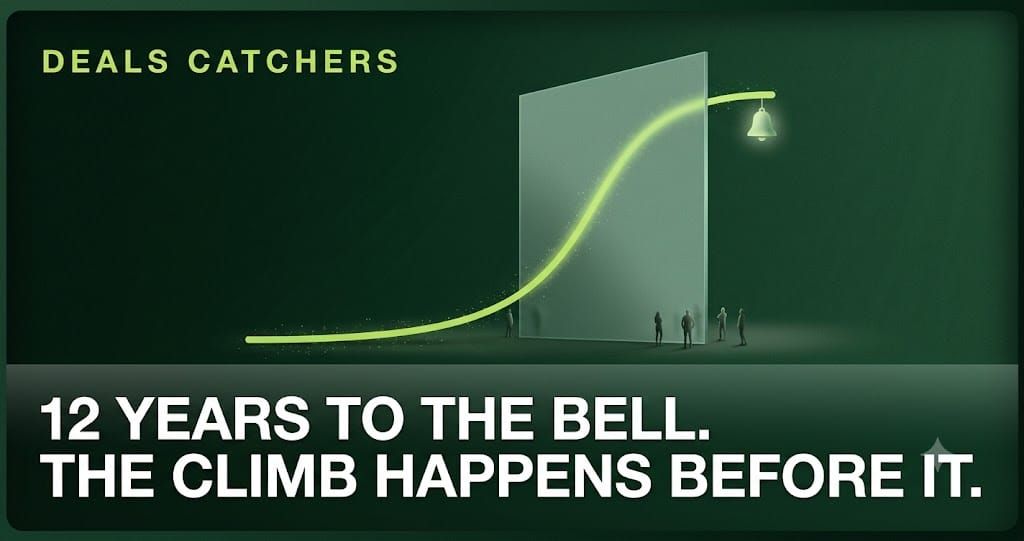
12 Years to the Bell. Most of the Money Is Made Before It Rings.
 By Mike Lee10 Jul 2026 · 9 min read
A company now waits roughly twelve years to go public, which means the steepest part of the climb happens where most investors cannot reach it. That single fact explains the private-markets rush, the IPO frenzy, and even the fight over what money itself becomes next.
⏱ The 60-Second Catch
• The median company now takes about 12 years to reach an IPO, up from roughly four in the late 1990s — most of the growth happens while the public is locked out.
• Regulation A+ is the rule that cracked that door open: it lets private companies raise from ordinary investors, no accreditation required, with real disclosure obligations attached.
• Around 130 countries are studying central bank digital currencies — a genuine debate about privacy, control, and what a dollar actually is.
Sponsored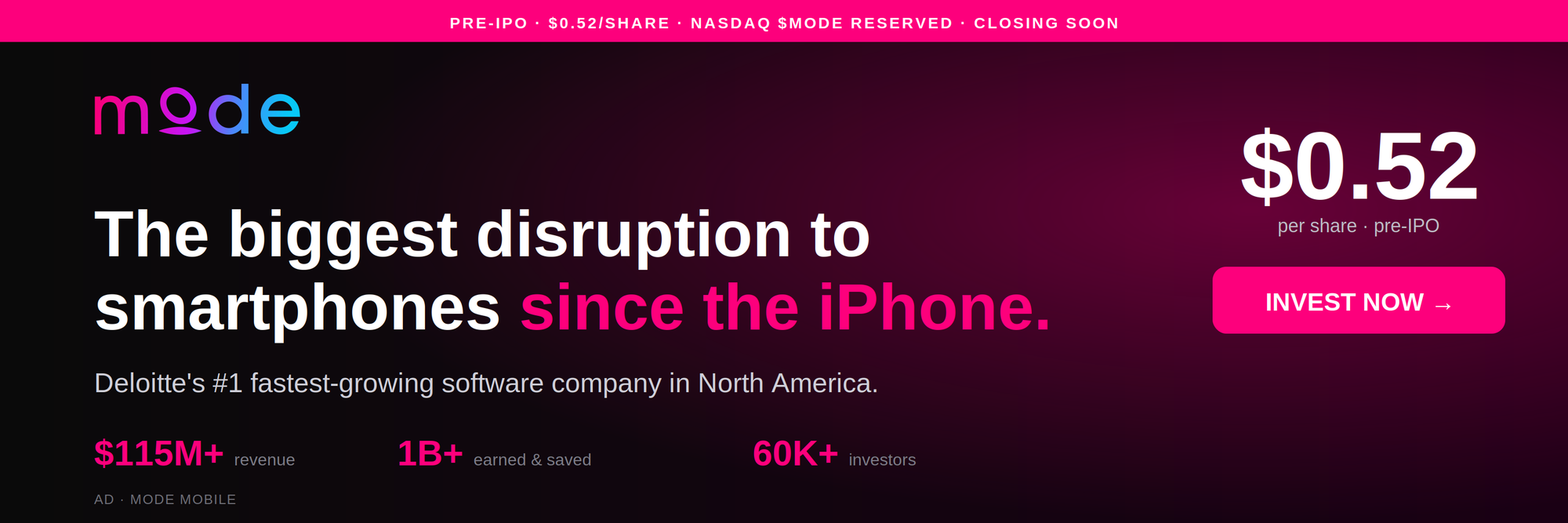
SpaceX IPO Alert: There’s a Pre-IPO Play Most Investors Haven’t Seen
⚡ BREAKING · SpaceX targeting $1.75T IPO · Mode Mobile pre-IPO closes soon · $0.52/share ⚡
SPACEX IPO: INCOMING.
HERE’S WHAT TO DO BEFORE IT HITS.
HERE’S WHAT TO DO BEFORE IT HITS.
SpaceX is going public at a $1.75 trillion valuation. By IPO day, the price is priced in. The opportunity is already behind you.
But there’s a different play still open right now.
Mode Mobile: the pre-IPO company that turns smartphones into income-generating devices. When Starlink eliminates dead zones globally — Mode’s EarnOS reaches 3 billion new users.
490 million users already. $115M+ lifetime revenue. $11.8M actual EBITDA. Deloitte’s #1. Nasdaq $MODE reserved.
Still pre-IPO at $0.52/share. 59,000+ investors already committed. Previous two rounds sold out.
SpaceX makes the noise. Mode Mobile closes soon.
Mode Mobile: the pre-IPO company that turns smartphones into income-generating devices. When Starlink eliminates dead zones globally — Mode’s EarnOS reaches 3 billion new users.
490 million users already. $115M+ lifetime revenue. $11.8M actual EBITDA. Deloitte’s #1. Nasdaq $MODE reserved.
Still pre-IPO at $0.52/share. 59,000+ investors already committed. Previous two rounds sold out.
SpaceX makes the noise. Mode Mobile closes soon.
| SpaceX IPO $1.75 TRILLION IPO day chaos Already priced in | Mode Mobile $0.52 / SHARE Pre-IPO — still open Closes soon |
REG A+ · $0.52/SHARE · NO ACCREDITATION · CLOSES SOON
59,000+ investors already in. Two rounds sold out. This closes soon.
59,000+ investors already in. Two rounds sold out. This closes soon.
P.S. SpaceX IPO: coming soon. Mode Mobile pre-IPO: closes soon. One is still $0.52.
Please read the offering circular and related risks at invest.modemobile.com. This is a paid advertisement for Mode Mobile’s Regulation A+ Offering.
Mode Mobile recently received their ticker reservation with Nasdaq ($MODE), indicating an intent to IPO in the next 24 months. An intent to IPO is no guarantee that an actual IPO will occur.
The Deloitte rankings are based on submitted applications and public company database research, with winners selected based on their fiscal-year revenue growth percentage over a three-year period.
Pro forma revenue and EBITDA, includes full year numbers of the businesses acquired throughout 2025.
Mode Mobile recently received their ticker reservation with Nasdaq ($MODE), indicating an intent to IPO in the next 24 months. An intent to IPO is no guarantee that an actual IPO will occur.
The Deloitte rankings are based on submitted applications and public company database research, with winners selected based on their fiscal-year revenue growth percentage over a three-year period.
Pro forma revenue and EBITDA, includes full year numbers of the businesses acquired throughout 2025.
THE SETUP
The IPO Stopped Being the Beginning
For most of modern market history, a company went public young. It needed the money, and the public market was where the money was. An investor buying at the bell was buying near the start of the growth curve, and the decades that followed were theirs.
That arrangement has quietly inverted. Venture capital, sovereign funds, and crossover investors now supply so much private capital that a company can reach enormous scale without ever filing. The median wait from founding to listing has stretched from roughly four years in the late 1990s to about twelve today.
What this means for your money: by the time a household name rings the bell, much of its steepest growth is already inside the price. The public investor increasingly buys the plateau, not the climb.
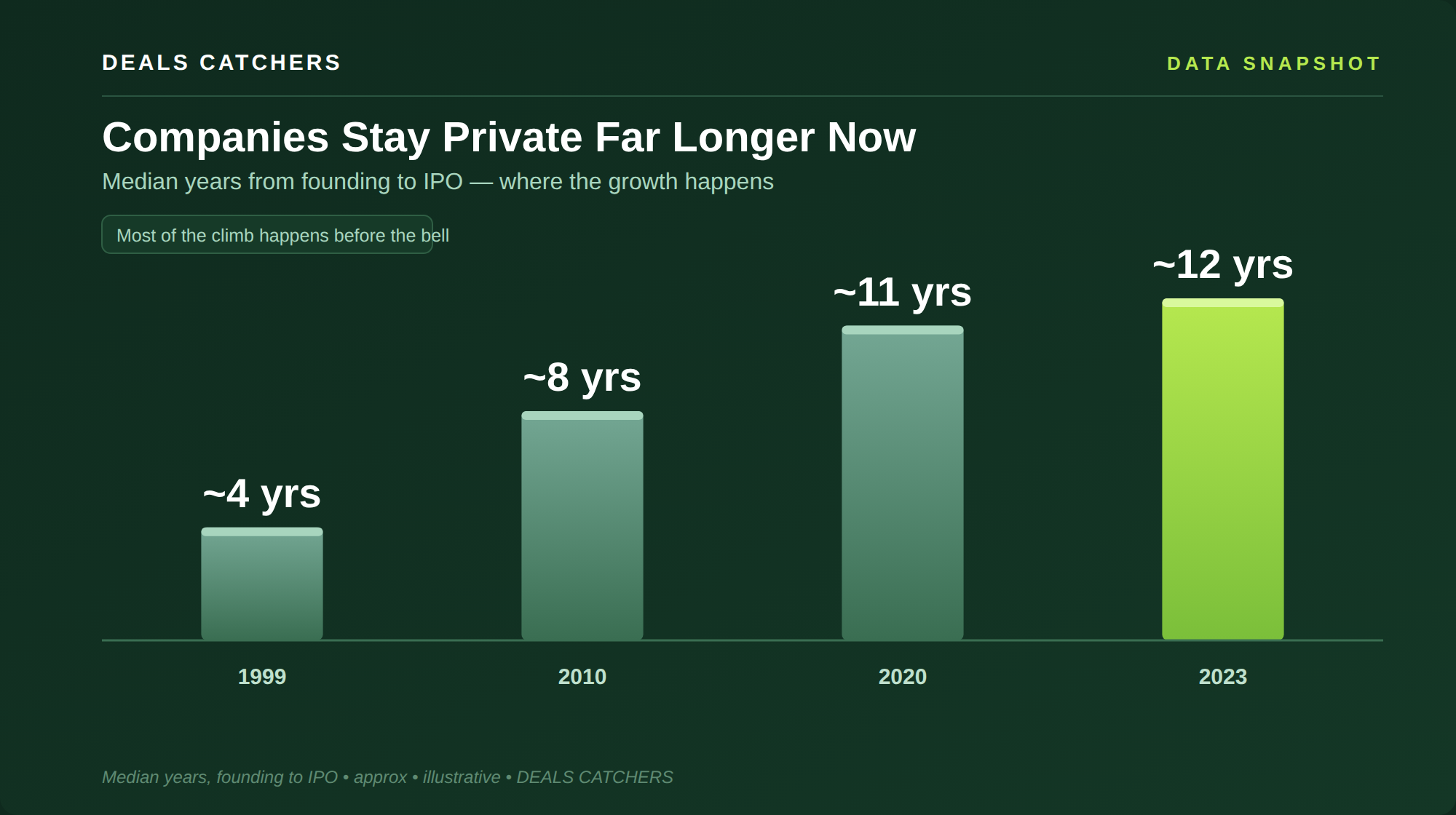
The wait to IPO keeps stretching — and the growth happens inside it.
WHY IT MATTERS
Regulation A+ Is the Door That Opened
Congress noticed the problem. Regulation A+, expanded under the JOBS Act, lets a private company raise up to a few hundred million dollars from ordinary investors — no accreditation, no seven-figure net worth, no invitation required. It is sometimes called a mini-IPO.
The obligations are real: the company files an offering circular with the SEC, the offering must be qualified before it can proceed, and audited financials are required. That is genuinely more disclosure than most private placements offer.
The risks are equally real, and they do not disappear because the paperwork exists. Shares in a private company are illiquid — there is no market to sell into, sometimes for years, sometimes forever. The valuation is set by the company, not by a market of buyers and sellers. A reserved Nasdaq ticker signals intent, not a listing. Most private companies never go public at all.
Sponsored
This Startup Is Growing 23X Faster Than Nvidia
See this official SEC document? On page 146 Elon Musk revealed the name of a startup that Jeff believes will be…
The next monster IPO on Wall Street. (Click here to get the details.)
Even though this has nothing to do with robots, self-driving cars, or rockets…
This startup is growing faster than Tesla… faster than SpaceX… and even 23 times faster than Nvidia.
That’s why The Atlantic called it…
“The fastest-growing business in the history of capitalism.”
The next monster IPO on Wall Street. (Click here to get the details.)
Even though this has nothing to do with robots, self-driving cars, or rockets…
This startup is growing faster than Tesla… faster than SpaceX… and even 23 times faster than Nvidia.
That’s why The Atlantic called it…
“The fastest-growing business in the history of capitalism.”
THE SMART-MONEY FRAME
The Same Question, Asked About Money Itself
The argument over central bank digital currencies is the same argument one level up. Roughly 130 countries are studying them; a handful have launched. A CBDC is central bank money in digital form — a direct claim on the central bank rather than on a commercial one.
The genuine debate is about design, not conspiracy. Programmability, expiry dates, transaction visibility, and offline anonymity are real engineering choices with real consequences, and reasonable people disagree in good faith about where the lines belong. In the United States there is currently no CBDC, and legislation has moved in the direction of restricting one.
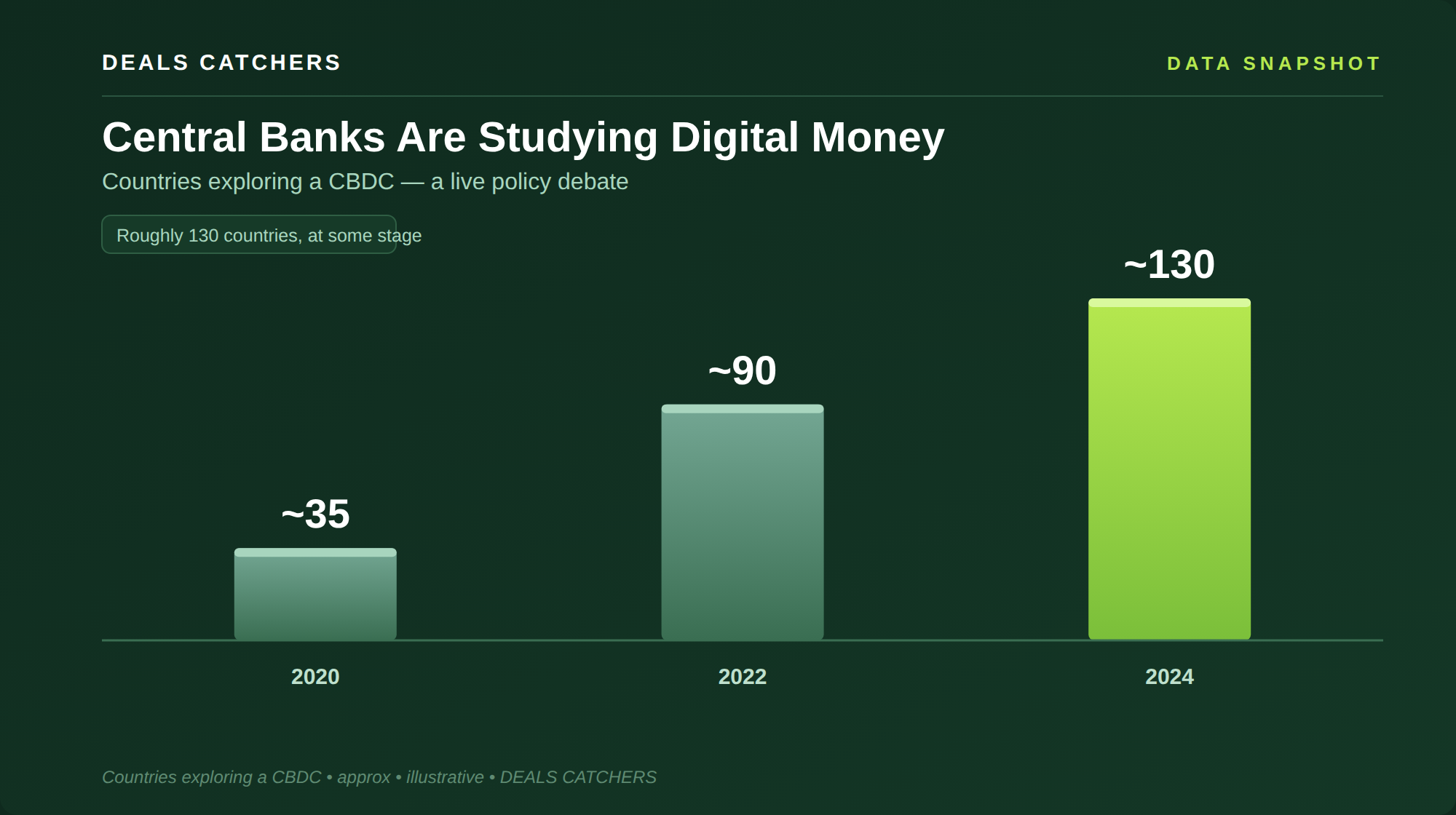
A live policy debate about privacy, control, and what a dollar is.
THE THROUGH-LINE
Access, Illiquidity, and the Price of Being Early
Twelve years: the typical wait to an IPO, and the window during which the public cannot participate at all.
Reg A+: a genuine, regulated door into that window — with disclosure requirements, and with illiquidity that no disclosure can remove.
130 countries: the scale of the digital-money question, which will be settled by legislation and engineering rather than by anyone’s deadline.
Being early has always cost something. Historically it was access. Now the price is liquidity — the freedom to change your mind. That is a real cost, and it deserves to be paid deliberately.
Sponsored
America’s Wealth Is Under Attack — Secure Your Future Today
They said it would “modernize” our financial system.
But the truth? The so-called Digital Dollar isn’t progress — it’s a trap.
Once it launches, the government could:
• Track and control every cent you spend
• Freeze your account with one click
• Dictate what you’re allowed (or not allowed) to buy
This isn’t a theory. It’s already happening behind closed doors. And millions of hardworking Americans will be blindsided.
The good news? You still have time to protect yourself — if you act before the switch flips.
That’s why we put together an urgent guide: The Digital Dollar Trap.
Inside, you’ll learn exactly what this means for your savings — and the smart moves you can make now to stay two steps ahead.
Don’t wait until the trap snaps shut. Once it’s official, it’ll be too late.
But the truth? The so-called Digital Dollar isn’t progress — it’s a trap.
Once it launches, the government could:
• Track and control every cent you spend
• Freeze your account with one click
• Dictate what you’re allowed (or not allowed) to buy
This isn’t a theory. It’s already happening behind closed doors. And millions of hardworking Americans will be blindsided.
The good news? You still have time to protect yourself — if you act before the switch flips.
That’s why we put together an urgent guide: The Digital Dollar Trap.
Inside, you’ll learn exactly what this means for your savings — and the smart moves you can make now to stay two steps ahead.
Don’t wait until the trap snaps shut. Once it’s official, it’ll be too late.
The Catcher’s Watchlist
NVDA
The AI benchmark. The name every growth comparison is measured against, fairly or not.
The AI benchmark. The name every growth comparison is measured against, fairly or not.
IPO (Renaissance IPO ETF)
The listing cycle. A read on whether the public market is rewarding new arrivals or punishing them.
The listing cycle. A read on whether the public market is rewarding new arrivals or punishing them.
BTC
The out-of-the-system trade. The asset the digital-money debate keeps circling back to.
The out-of-the-system trade. The asset the digital-money debate keeps circling back to.
GLD (Gold)
The oldest answer. What people hold when the definition of money is being argued over.
The oldest answer. What people hold when the definition of money is being argued over.
Analyst’s Note
The twelve-year number is the one worth carrying out of this issue. It reframes almost everything else: if the median company waits twelve years to list, then the public market is no longer where growth is discovered — it is where growth is monetized by the people who owned it earlier. That is not a scandal. It is a structure, and it is why private-market access keeps getting sold to retail investors. Regulation A+ is a real regulated instrument with real disclosure attached, and I would rather people understand it than fear it. But understand what you are buying: illiquidity. Not risk in the abstract — the specific, concrete inability to sell when you want to, at a price someone else set, in a company that statistically will never list. Size any private position at the amount you would be willing to see frozen for a decade, because that is the honest base case. And on digital money: it will be decided by statute and engineering over years, not by a switch flipping some Tuesday. The people who fare best hold assets before the argument resolves, sized so that being early costs them nothing.
— Lee
THE BOTTOM LINE
A company takes about twelve years to reach the bell now. Everything in this issue follows from that one fact: the rush into private markets, the regulated doors that opened to let ordinary investors in, and the argument over what money will even be by the time the next generation of companies lists.
The door is real, and so is the toll. What you give up going through it is liquidity — the ability to change your mind, to sell into a bad quarter, to be wrong cheaply. Most private companies never list. That is not pessimism; it is the base rate, and any position you take should be sized as though it applies to you.
Forget the hot picks — protect what you’ve already built, and never pay for early access with money you might need back. Because the best trade you’ll ever make is the loss you never took.
— Lee