
🌎 What Happened in the World on October 15, 2025
Trump eyes Ukraine peace, energy politics heat up, crypto crackdown, Big Tech goes nuclear

SHORT INTRO
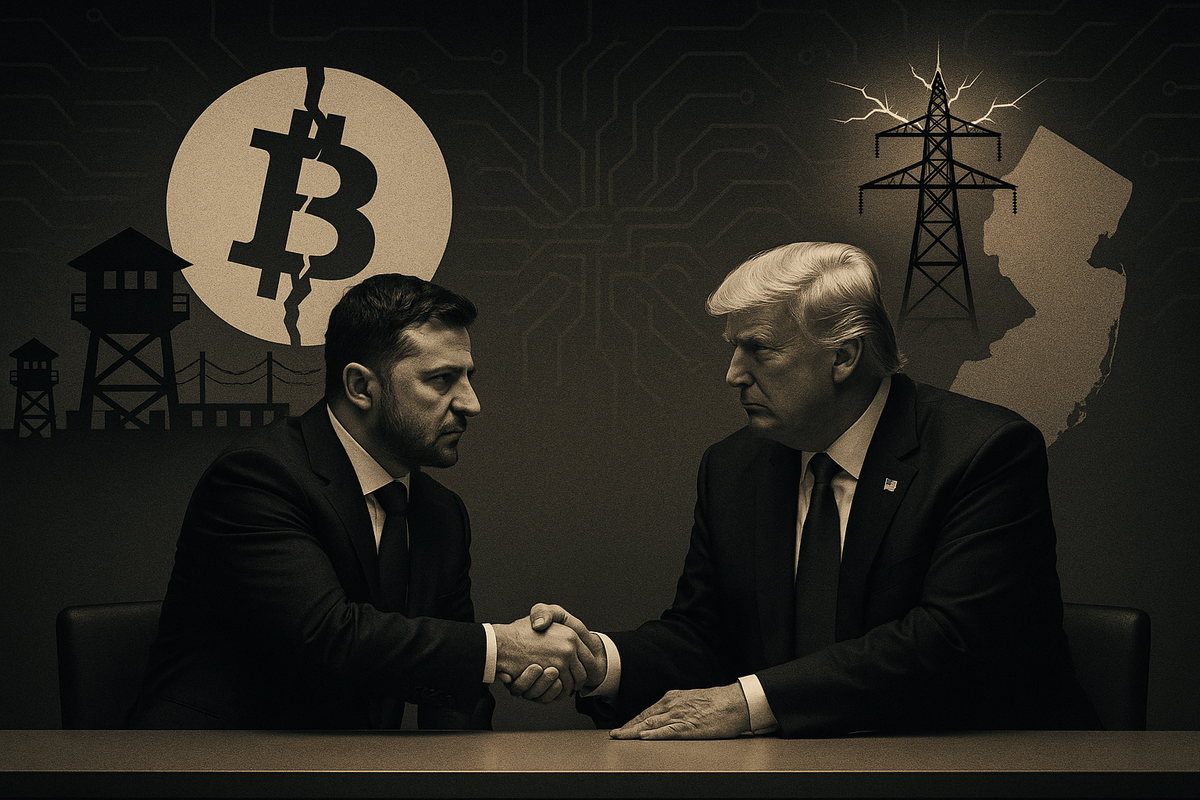
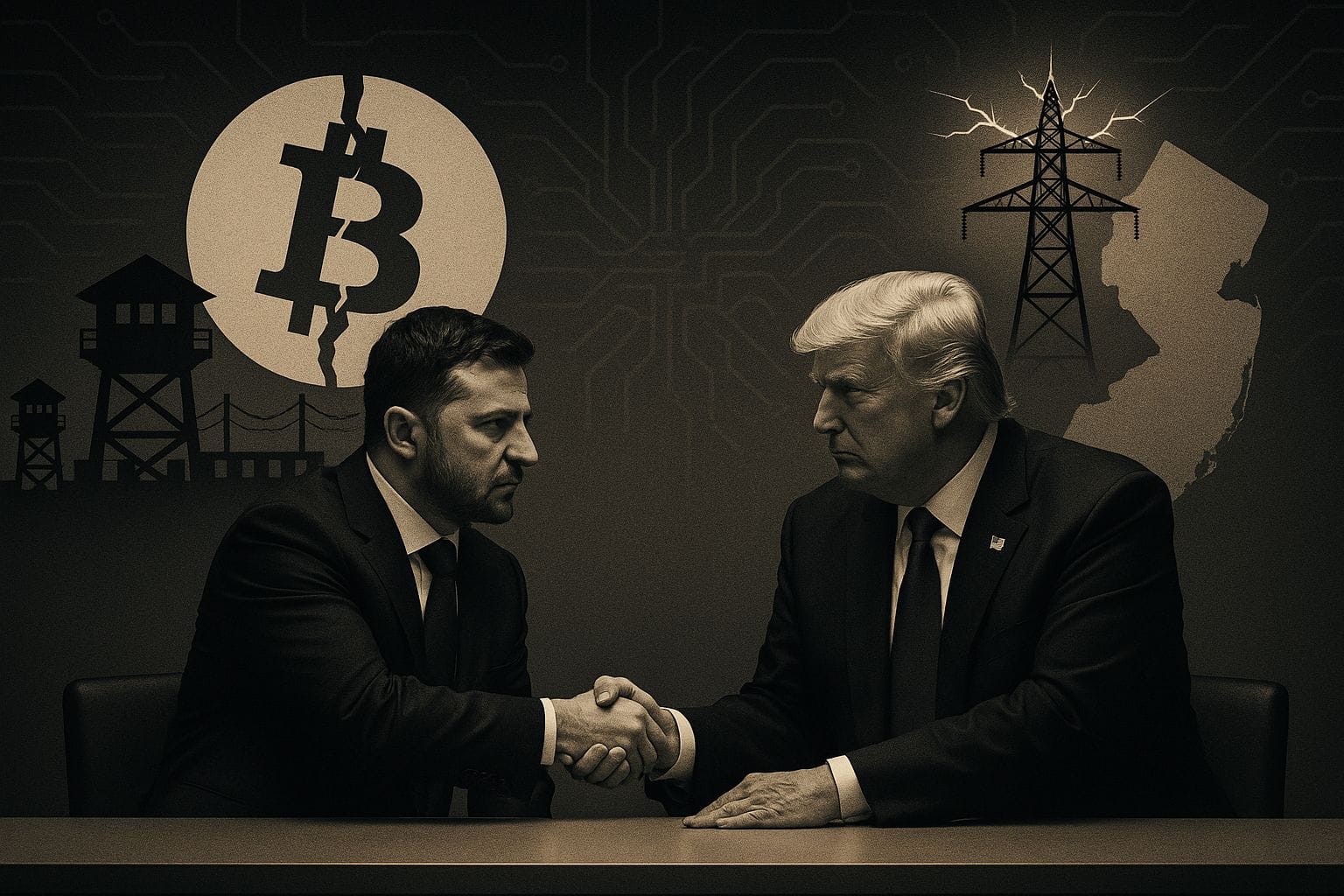
Today’s global picture blends politics, economics, and technology in striking ways. Trump, emboldened by his Middle East diplomacy, now sets his sights on negotiating peace in Ukraine. In the U.S., rising energy prices are turning into political flashpoints. Meanwhile, authorities have seized a record $14 billion in Bitcoin tied to a massive Cambodian scam, shaking the crypto sector. And in Silicon Valley, tech giants are going on the offensive — not just innovating, but openly defying regulators.
Hello dear reader — here’s your October 15, 2025 briefing. Below: major moves in geopolitics, crypto, energy, and tech — in a structured, dense rundown.— Team Deals Catchers
Trump “Confident” He Can Broker Peace in Ukraine
After his surprise role in securing the Gaza ceasefire, Donald Trump says he’s “more confident than ever” he can bring both Kyiv and Moscow to the table. Sources say he’s preparing to meet Volodymyr Zelenskyy in Washington later this week, aiming to secure a framework that could include limited ceasefire zones, prisoner exchanges, and potential territorial negotiations. Ukrainian officials see an opportunity — if new U.S. weapons commitments, such as Tomahawk missiles or advanced air-defense systems, are part of the deal. For Trump, success here would cement his claim as a global peacemaker heading into the 2026 election season. But European diplomats caution that Moscow’s signals remain mixed and that Russia might exploit any talks to regroup militarily.
Energy Prices Ignite Political Battles in U.S. States
Across Virginia, New Jersey, and Pennsylvania, households are feeling the squeeze of surging electricity and gas bills — the result of supply constraints, delayed infrastructure upgrades, and volatile commodity markets. For state leaders, the issue is now deeply political: governors are under fire to cap rates or issue emergency subsidies, even as those measures threaten state budgets. Polling shows that energy affordability is now a top concern for suburban voters, rivaling inflation and healthcare. Meanwhile, renewable energy projects face delays due to cost overruns, leaving many residents torn between green transitions and financial survival. The political implications could shape both state and national elections next year, as energy policy becomes the new frontline of voter frustration.
$14 Billion in Bitcoin Seized From Cambodian Scam Empire
In one of the largest cryptocurrency seizures in history, U.S. authorities have confiscated over $14 billion in Bitcoin connected to Cambodia’s Prince Group, a shadow network accused of global online fraud and forced-labor operations. Investigators say the syndicate ran elaborate “pig butchering” schemes — online romance scams that tricked thousands of victims into fake crypto investments. The operation spanned across Southeast Asia, using trafficked workers to maintain fake identities and communication hubs. The U.S. Department of Justice called the seizure “a turning point in international financial enforcement,” as it also targeted politically connected figures in Cambodia and Hong Kong. Crypto markets reacted with mild volatility, but analysts see this as a landmark precedent that could redefine accountability for digital assets globally.
TODAY’S BREAKTHROUGH
Global Power, Local Pressure, and Digital Accountability
Today’s stories reveal how power manifests across diplomacy, domestic policy, and digital ecosystems. Trump’s renewed peace push signals the return of personality-driven geopolitics. Energy costs at home are reshaping voter sentiment and party strategy. The $14 billion Bitcoin seizure proves law enforcement is catching up to crypto’s darker corners. And Big Tech’s defiant tone shows an industry that feels both embattled and indispensable. Together, these developments underscore a new age of influence — one negotiated not just through institutions, but through visibility, velocity, and voice.
Big Tech Drops the Diplomacy — and Goes on the Offensive
Major tech companies are entering a new, combative phase in their relationship with governments. Under mounting scrutiny from regulators over antitrust, data privacy, and AI safety, executives at firms like Google, OpenAI, and Meta have adopted openly confrontational rhetoric. In recent interviews, they’ve accused policymakers of “suffocating innovation” and compared overregulation to “cutting the wings off humanity’s future.” Behind the scenes, these firms are doubling their lobbying budgets and funding think tanks to shape public opinion. The tone marks a strategic pivot — from cautious engagement to active resistance — as AI competition with China accelerates and governments race to impose ethical frameworks. Analysts warn that this “nuclear” communication strategy could backfire, further fueling calls for breakups or stricter oversight.
The supreme art of war is to subdue the enemy without fighting.Sun Tzu
CLOSING THOUGHTS
From diplomatic ambitions to energy debates and digital crackdowns, the week’s headlines capture a world wrestling with control — of borders, of markets, and of ideas. Whether Trump’s confidence turns into peace progress, or Big Tech’s defiance spawns greater regulation, one thing is certain: the contest for influence is accelerating.
We’ll continue tracking every shift — clear, balanced, and to the point. Stay informed and stay ahead.