SpaceX Is Moving AI to Orbit. The Pre-IPO Question for Your Money Is Who Builds the Interface That Brings It Back to Earth

SpaceX Is Taking AI to Orbit. This $0.79 Stock Brings It Back to Earth
Dear Reader,
In February 2026, Elon Musk merged SpaceX and xAI, and announced plans to put AI computing infrastructure into orbit. His words: “Space-based AI is obviously the only way to scale.”
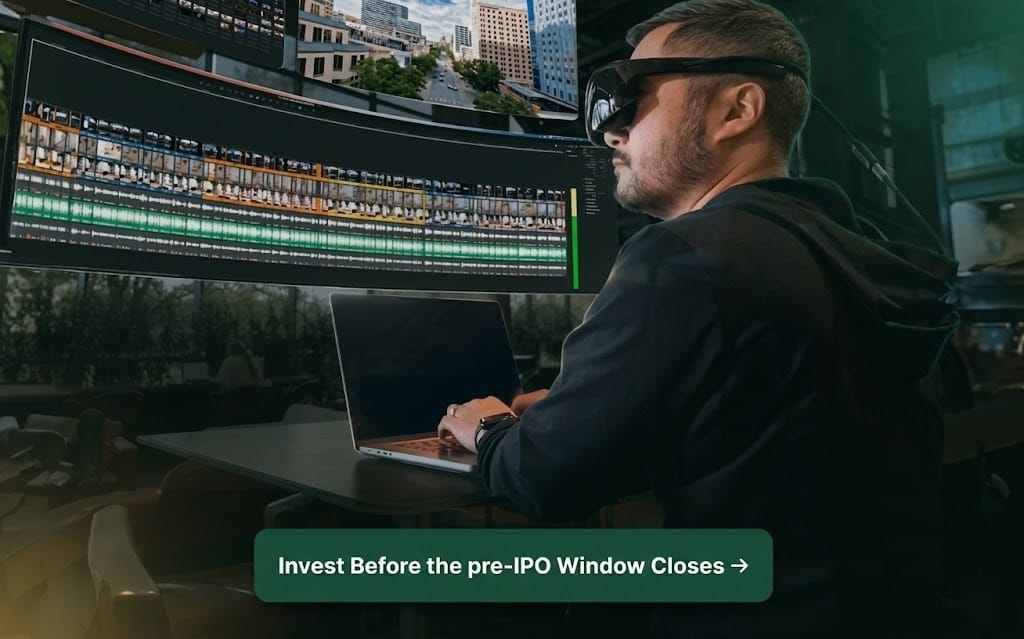
Big bet. But it raises one question nobody is asking: If AI lives in orbit, what does the human interface look like? Not a laptop. Not a phone. Spatial Computing. A virtual workspace where AI sees what you see and acts in real time.
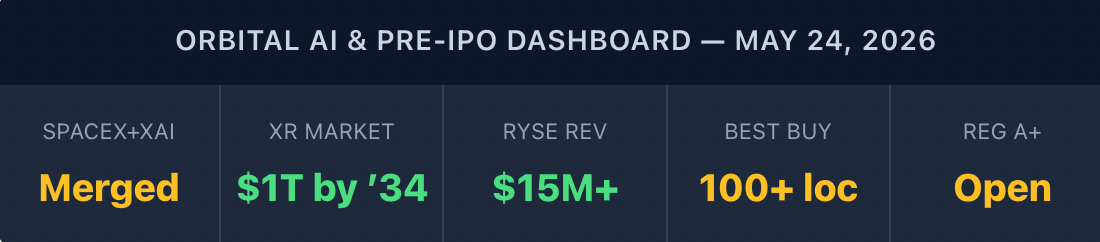
That’s exactly what Immersed is building. 1.5M+ users on Apple, Meta AND Samsung. Curator AI agent — already live. Visor headset — already shipping. NASDAQ ticker $IMRS — reserved.
Intel’s ex-CEO invested. A multi-billionaire founder put in $2M+. The market is headed to $1 trillion by 2034. The round is nearly full. You can still get in at $0.79/share, but not for long.
| ➩ Invest Before the pre-IPO Window Closes |
Immersed is offering securities through the use of an Offering Statement that has been qualified by the Securities and Exchange Commission under Tier II of Regulation A. The valuation is set by the Company and there is currently no public market for the Company’s Common Stock. Please read the offering circular and related risks at invest.immersed.com. Nasdaq ticker “IMRS” has been reserved by Immersed and any potential listing is subject to future regulatory approval and market conditions.
In February 2026, Elon Musk merged SpaceX and xAI and laid out a plan to move AI computing infrastructure into orbit — solar-powered data centers that sidestep the terrestrial power grid entirely. The logic is real: the grid cannot support half the AI data centers planned for this year, and space offers continuous solar power and natural cooling. Whatever you think of the timeline, the direction of travel is documented.
What this means for your portfolio: Most of the attention — and most of the capital — flows to the loud frontier: the rockets, the satellites, the orbital compute. But every computing platform in history has needed a human interface, and the interface layer is often where overlooked value sits. The question worth asking is not whether orbital AI happens, but what ordinary people will actually use to interact with it — and whether that layer is investable before it becomes obvious.
An honest counterpoint: Pre-IPO investing through Regulation A+ is genuinely different from buying a public stock, and the differences cut against you as much as for you. The shares are illiquid — there is no public market to sell into. The valuation is set by the company, not by a market of buyers and sellers. A reserved Nasdaq ticker is a signal of intent, not a guaranteed listing. And SEC qualification is not SEC approval of the investment’s merits. None of that makes these deals bad — it makes them positions you size small and enter with eyes open.
With those caveats stated plainly, here is the first of today’s two pre-IPO pitches, in the advertiser’s own words.
[AD] If AI lives in orbit, what does the human interface look like? Not a laptop. Not a phone. Spatial Computing. That’s exactly what Immersed is building — 1.5M+ users on Apple, Meta AND Samsung, a Curator AI agent already live, a Visor headset already shipping, and NASDAQ ticker $IMRS reserved. Intel’s ex-CEO invested. A multi-billionaire founder put in $2M+. You can still get in at $0.79/share, but not for long. Invest Before the pre-IPO Window Closes.
For Decades, Pre-IPO Was a Wall Street-Only Club. Regulation A+ Is the Door That Changed That.
Why this matters if you’re retired or near retirement: The appeal of pre-IPO access is real — the largest gains in companies like the ones going public this year were captured by people who got in years before the listing. But the protection-first reader should hold two ideas at once: the access is a genuine opportunity, and the structure carries real, specific risks that a public stock does not. The right posture is not to avoid the category outright, nor to back up the truck — it is to take small, deliberate positions in deals where the underlying business is verifiable.
What Separates a Real Pre-IPO Business from a Concept Is a Verifiable Track Record
The single most useful filter for any pre-IPO pitch is whether the company has real revenue and real customers, or just a story. A concept with a slick deck and no sales is a very different proposition from a business already shipping product through national retailers. The questions to ask are concrete: Is there lifetime revenue? Are the products in stores you recognize? Are there granted patents? Have prior investors actually participated more than once?

What this means for your portfolio: One of today’s deals clears that filter on the public record. According to DealMaker’s case study and prior offering documents, the smart-home company RYSE has more than $15 million in lifetime revenue, over 80,000 devices shipped, distribution in 100+ Best Buy locations plus Home Depot, Lowe’s and Amazon, 10 granted patents, and a non-dilutive cleantech grant — with its Nasdaq ticker $RYSS reserved. Those are verifiable business facts, not projections. The offering’s specific return figures and bonus tiers are the company’s own claims, and the Reg A+ risks above still apply — but the underlying business is real and documented.
Reg A+ · Nasdaq $RYSS Reserved · Investor Briefing
Most people never invest before the IPO. RYSE is changing that
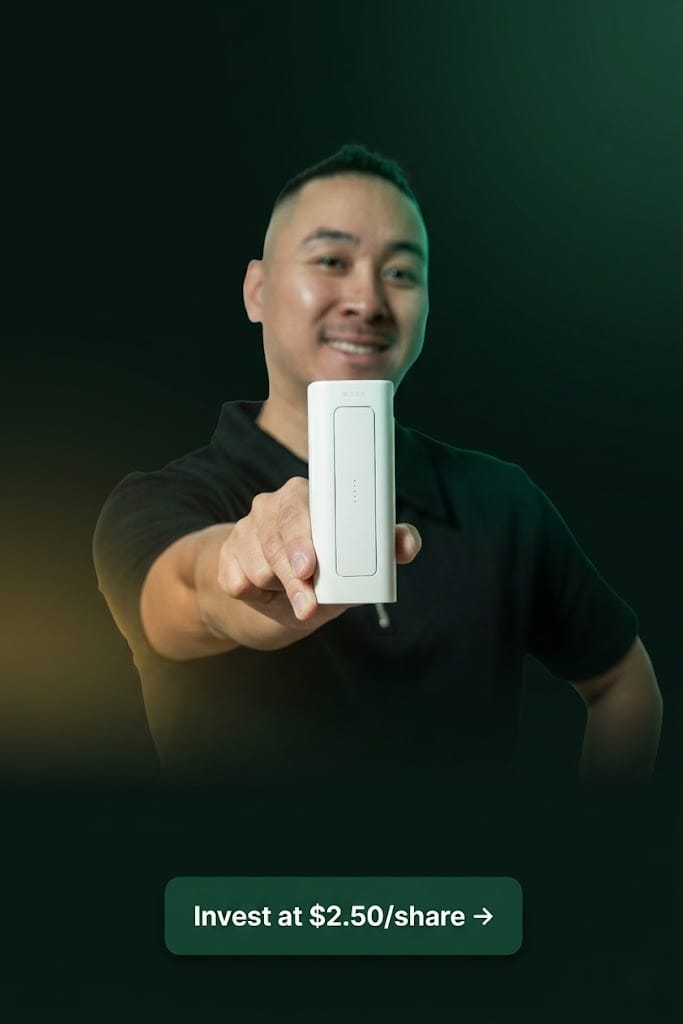
Reserved Nasdaq ticker $RYSS. $15M+ in revenue. 4,000+ existing investors. For decades, pre-IPO investing was reserved for Wall Street insiders and venture capital. Everyday investors were locked out, allowed in only after the biggest gains had already been made.
RYSE’s Regulation A+ offering opens that window. The company is not a concept. It has $15M+ in lifetime revenue, 80,000+ devices in homes, 100+ Best Buy locations, 10 granted patents, and a non-dilutive $3.2M USD cleantech grant. 4,000+ investors have already participated. Reserved Nasdaq ticker $RYSS creates a defined potential pathway to public markets.

| Invest at $2.50/share → |
~$1,002 minimum · IRA eligible · No lock-up · Bonus shares available
Read the offering circular and risk disclosures at invest.helloryse.com. This is a paid advertisement for RYSE Inc. made pursuant to a Regulation A+ offering and involves risk, including the possible loss of principal. The valuation is set by the Company; there is currently no public market for the Company’s Common Stock. Nasdaq ticker “$RYSS” has been reserved by RYSE; any potential listing is subject to future regulatory approval and market conditions. Past share-price appreciation does not guarantee future returns. SEC qualification does not constitute SEC approval of the merits. RYSE Inc., 96 Spadina Avenue, Suite 500, Toronto, ON M5V 2J6, Canada.
Two Pre-IPO Deals, One Discipline: Verify the Business, Size the Position, Read the Risks
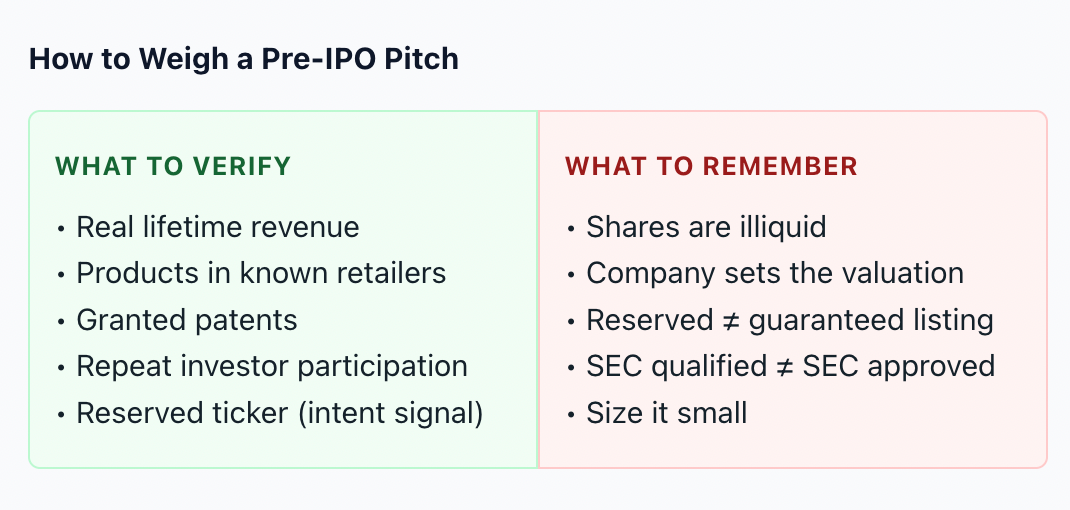
What this means for your portfolio: Both of today’s opportunities sit in the same category — private companies offering ordinary investors a pre-IPO entry through Regulation A+. The orbital-AI interface play and the smart-home play are different businesses, but the discipline is identical: verify what’s real on the public record, treat the advertiser’s return figures as claims rather than facts, read the risk disclosures, and size the position as the high-risk allocation it is. Forget the hot picks — protect what you’ve already built. Access to a pre-IPO deal is only an advantage if you enter it with discipline.
Most people never invest before the IPO. RYSE is changing that
Most people never invest before the IPO. RYSE is changing that. Reserved Nasdaq ticker $RYSS, $15M+ in revenue, 4,000+ existing investors, 80,000+ devices in homes, 100+ Best Buy locations, 10 granted patents, and a non-dilutive $3.2M USD cleantech grant.
Bottom Line
In February 2026, Elon Musk merged SpaceX and xAI and laid out a plan to move AI computing into orbit — solar-powered data centers that bypass the terrestrial grid. The direction is documented, and most of the capital flows to the loud frontier of rockets and satellites. The quieter question is the interface layer: every computing platform needs a human interface, and that layer is often where overlooked value sits. The protection-first reader’s job is to separate what’s verifiable from what’s promised.
The first of today’s pitches makes the interface case directly: if AI lives in orbit, the human interface is spatial computing, and Immersed says it’s building exactly that — 1.5M+ users across Apple, Meta and Samsung, a Curator AI agent already live, a Visor headset already shipping, and NASDAQ ticker $IMRS reserved, with pre-IPO entry at $0.79/share. Those metrics are the company’s own; the editorial point is the category, not the promise. Spatial computing is a real interface layer, and whether Immersed is the winner is exactly the kind of question Reg A+ risk disclosures exist to frame.
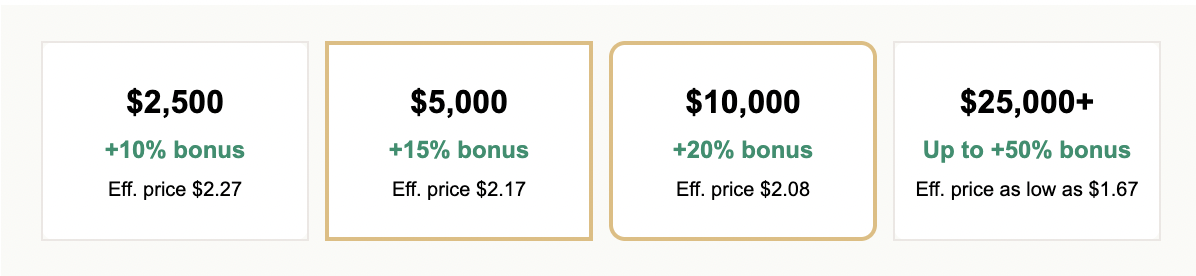
The second deal is more easily verified on the public record. Most people never invest before the IPO, and RYSE is offering ordinary investors that window through Regulation A+. The business is not a concept: independent sources confirm $15M+ in lifetime revenue, 80,000+ devices shipped, 100+ Best Buy locations, 10 granted patents, a non-dilutive cleantech grant, and a reserved Nasdaq ticker $RYSS, with 4,000+ investors having already participated. The offering’s 252% price-growth figure and bonus tiers are the company’s own claims, and entry starts at $2.50/share with an IRA-eligible structure.
Both deals share one discipline. Pre-IPO access through Regulation A+ is a real opportunity that was closed to ordinary investors for decades — but the shares are illiquid, the company sets the valuation, a reserved ticker is not a guaranteed listing, and SEC qualification is not SEC approval. Verify the business, treat the return figures as claims, read the risk disclosures, and size these as the high-risk allocations they are. Forget the hot picks — protect what you’ve already built. Access is only an edge if you bring discipline to it, because the best trade you’ll ever make is the loss you never took.