Immersed's 75K Waitlist vs. SpaceX's $1.25T Deal: The 2026 IPO Divide

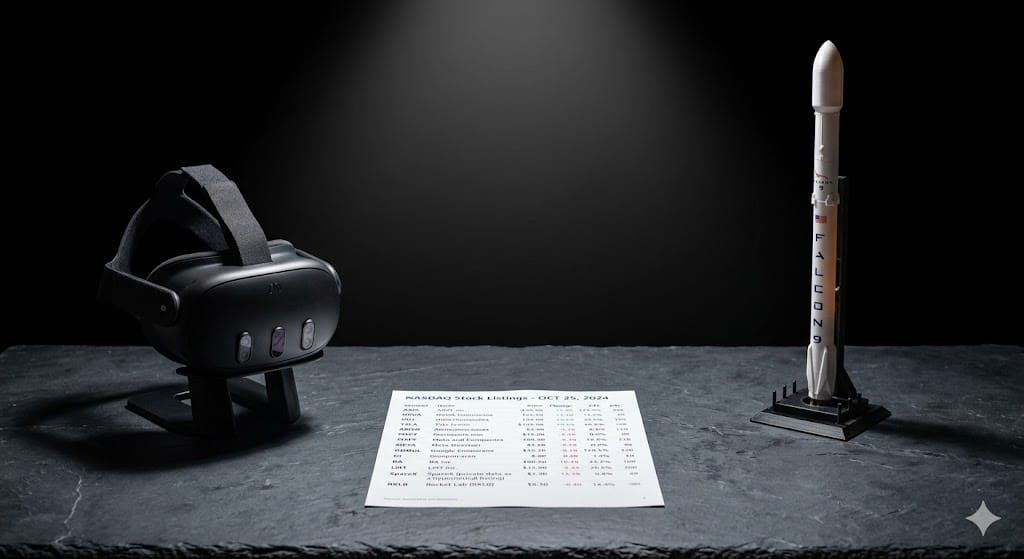
What happens when the world's most hyped AI merger collides with a quiet hardware startup that has already secured 75,000 pre-orders? While headlines obsess over a $1.25 trillion space deal, Immersed is quietly securing a Nasdaq ticker with a headset that costs roughly 70% less than Apple's Vision Pro. The 2026 liquidity window is shaping up as a battleground between two hard tech sectors with fundamentally different approaches to value creation.
On one side, Immersed Technologies is building a tangible XR product with concrete user demand. On the other, SpaceX's merger with xAI represents a speculative bet on orbital data centers. Both companies are targeting Nasdaq listings, but their paths to liquidity tell very different stories.
The Immersed XR Play
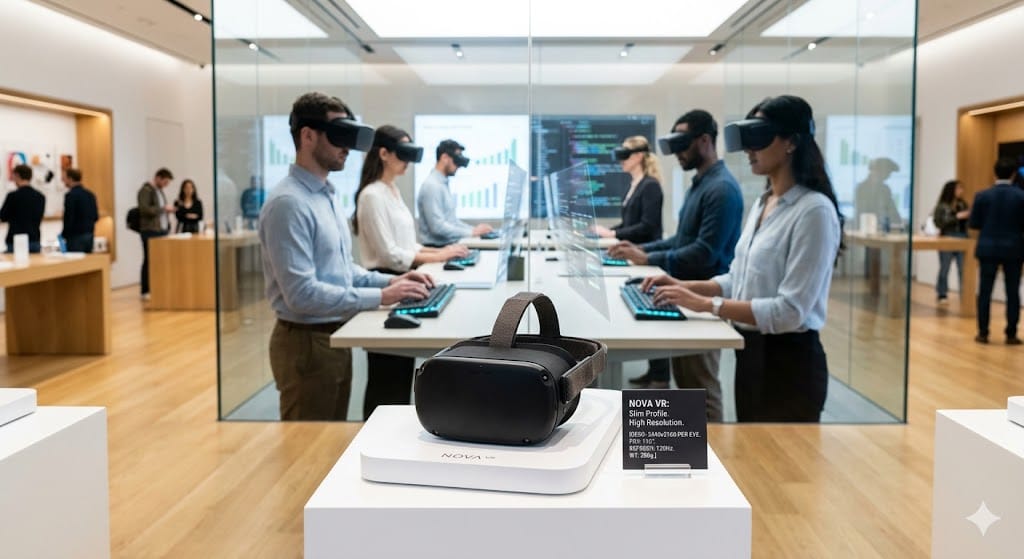
Immersed Technologies is targeting a Nasdaq listing with a product that delivers 2 million more pixels per eye than Apple's Vision Pro at the price point noted above. The company has 75,000 people on its waitlist and projects $71 million in first-year hardware sales. This is not theoretical design — it is production-grade hardware with concrete customer demand.
When you can offer the same performance at a fraction of the cost, you change the math for organizations evaluating virtual workspaces. The waitlist is the most compelling validation — a pipeline of enterprise orders that will drive early revenue.
Enterprise customers are making purchasing decisions based on actual hardware, not social media trends. Investor backing reinforces this credibility.
Executives and founders from Intel, Meta, Reddit, and Palantir have invested in Immersed. These are leaders from companies building the infrastructure of the digital economy. Their participation signals confidence in the commercial viability of the product.
The SpaceX AI Pivot
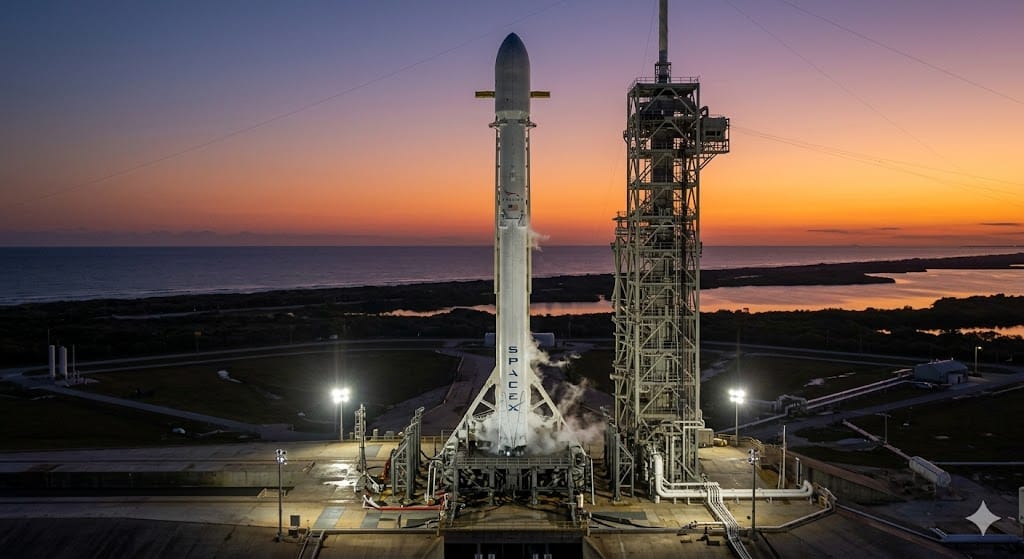
SpaceX's merger with xAI represents a different kind of bet on the future of computing. The $1.25T deal combines rockets, satellite broadband, the Grok AI platform, and the X social network into a single infrastructure giant. The merger is set for February 2026, when the combined entity is expected to list on Nasdaq.
The core of this vision is orbital data centers. SpaceX plans to launch up to one million satellites that can function as distributed computing nodes. This infrastructure would enable persistent AI operations without relying on terrestrial power grids.
The implications are significant — continuous AI training, real-time satellite imaging, and global communication networks that are not dependent on any single country's infrastructure. However, this vision is speculative. The $1.25T valuation is based on future potential rather than current performance.
Regulatory risk is a key consideration. Space-based operations require coordination with multiple governments and regulatory bodies. The merger itself requires U.S. government approval, which is not guaranteed — creating a timeline dependency that could delay or alter the listing.
The 2026 Convergence
The 2026 timeline is the unifying theme for both sectors. It represents the moment when these companies transition from private development to public markets.
The focus is moving from consumer novelty to enterprise productivity. Virtual workspaces and orbital infrastructure are both being positioned as essential tools for the modern economy. This transition changes the risk profile for investors.
Immersed's path to liquidity is grounded in hardware performance and enterprise demand. SpaceX's path depends on a vision of computing that has not yet been tested at scale. The 2026 inflection point forces a choice between concrete hardware with enterprise validation and a bold infrastructure vision with regulatory and technical hurdles.
Risks Facing Both Paths
The regulatory landscape for both companies is complex. Immersed faces standard tech regulations, while SpaceX's merger introduces the geopolitical risks outlined above.
Market adoption is another critical factor. Immersed's hardware must prove itself in enterprise environments, while SpaceX's orbital infrastructure must demonstrate cost-effectiveness. Both require sustained investment and operational execution.
Immersed must demonstrate that its hardware improves productivity in a way that justifies the price — a test of execution in a crowded market. For SpaceX, the challenge is proving that space-based computing is economically viable. The merger valuation assumes that orbital data centers will be cheaper and more reliable than terrestrial alternatives. This must be demonstrated through operational results, not just strategic announcements.