Five 2026 Crash Warnings Flash at Once—Where the Real Risk Hides


As of mid-2026, five historical warning signs for a major market crash are flashing simultaneously, yet the headlines focus on the next tech platform shift instead of the valuation bubble inflating around it. The crash trigger isn't just the AI trade unwinding—it's the specific valuation mechanics of the Spatial Computing/AI "New Paradigm" inflating the average AI stock to multiples not seen since 1999 while enterprise adoption metrics like Immersed show the real traction hiding in plain sight.
The 2026 Warning Cluster
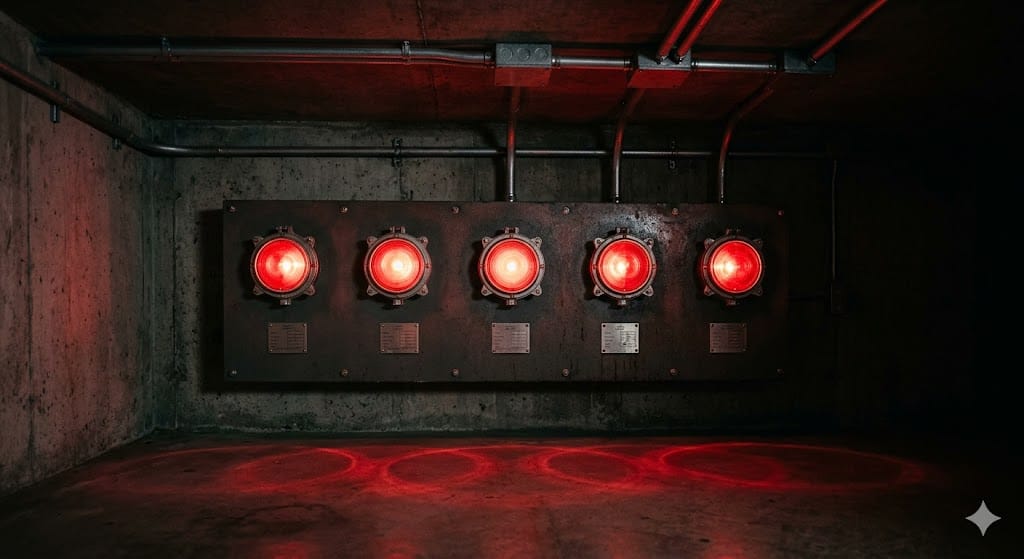
The timeline is clear: Q1 volatility leading to mid-2026, driven by a convergence of midterm policy shifts, Federal Reserve uncertainty, geopolitical escalation, and the unwinding of the AI trade. The VIX has spiked repeatedly, with options pricing implying elevated uncertainty through the summer.
The first warning sign is extreme sector concentration. The top ten stocks account for over 35% of the S&P 500's market cap, making the market heavily reliant on a small group of companies. This concentration heightens vulnerability to a broad correction if any of these names stumble.
The second warning sign is record margin debt. Margin debt has reached record levels, indicating that investors are leveraging their positions to a dangerous extent. This leverage amplifies downside risk when volatility arrives.
The third warning sign is insider selling. Insider selling has been on the rise, indicating that company executives are losing confidence in the market. When the people running these companies head for the exits, outside investors should pay attention.
The fourth warning sign is narrowing breadth. A small group of stocks is driving the majority of the market's performance, leaving the index more exposed to sharp reversals.
The fifth warning sign is the "new paradigm" belief. The conviction that this time is different—that AI justifies any multiple—can lead to overvaluation that disconnects entirely from fundamentals. The convergence of all five signals puts the market at a critical juncture, and investors must be prepared to navigate what comes next.
The Spatial Computing Driver

The "new paradigm" has a specific name: Spatial Computing. It encompasses AR, VR, and Mixed Reality, representing the shift from smartphones to the next dominant platform. Samsung is launching XR glasses. Apple shipped the Vision Pro. Meta continues to push Quest hardware deeper into enterprise workflows.
Enterprise adoption is where the real traction lives. Immersed has 1.5 million users on the Meta Quest Store and has secured partnerships with Fortune 500 teams logging full workweeks in virtual environments. The platform shift is real. The question is whether public market valuations reflect actual adoption or a speculative fever dream.
The Valuation Disconnect
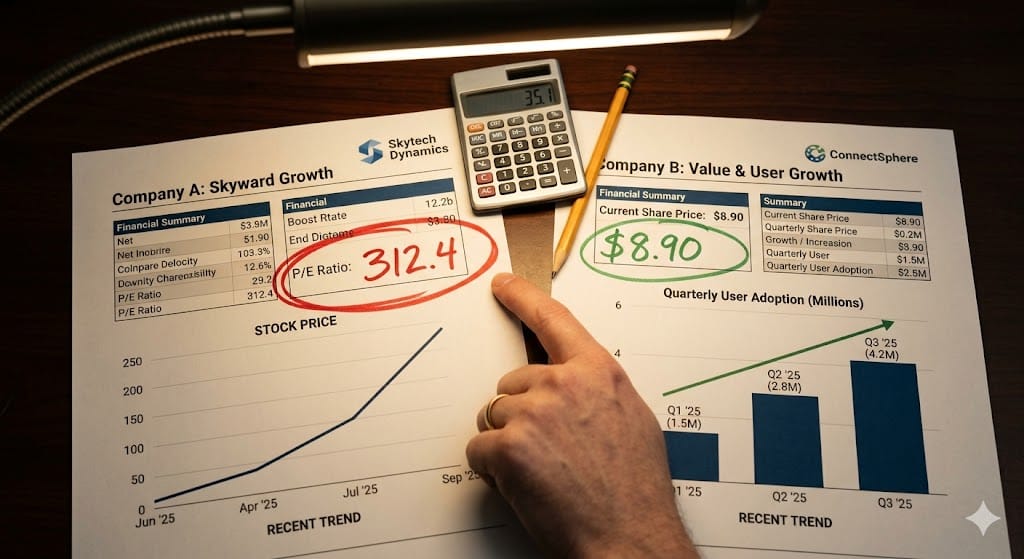
The average AI stock trades at multiples not seen since 1999. Current prices assume a growth trajectory that enterprise data does not yet support. In 2000, high-flying tech names dropped 80–90% while defensive stocks barely flinched. In 2022, unprofitable growth companies cratered while energy and commodities surged.
The pattern is consistent: stocks with negative free cash flow, the thinnest margins, and the most speculative investor bases fall hardest. Meanwhile, Immersed sits at a pre-IPO share price of $0.66—a stark contrast to the inflated public multiples surrounding the same platform shift. The gap between where public AI stocks trade and where pre-IPO enterprise traction is priced reveals the real opportunity and the real danger.
Portfolio Traits That Get Destroyed First
The implications for a 45+ investor portfolio are significant. Defensive sectors outperformed in 2022, but the 2026 risk is broader because concentration and leverage are both more extreme. Investors must audit their holdings for the specific traits that get destroyed first in a downturn: negative free cash flow, dependence on a single narrative, sky-high price-to-sales ratios, and insider selling.
The difference between surviving a correction and getting destroyed by one comes down to whether you own the traits on that list. The warning signs are all flashing. The time to act is before the correction, not during it.