
Appliance Repair: A Profitable U.S. Business
Why appliance repair is a stable, high-demand business across America — and how to start with $5,000–$10,000 in setup costs.

SHORT INTRO
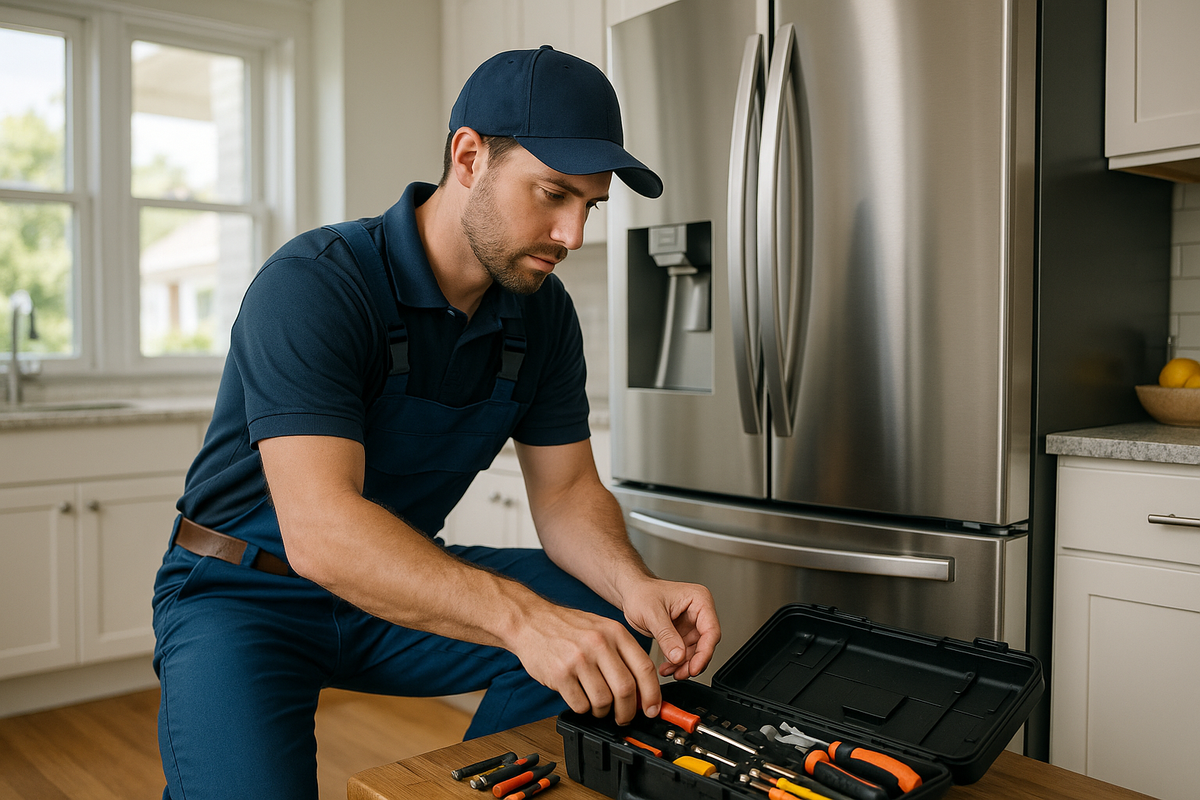
Across the U.S., households rely on appliances every single day — from refrigerators and washing machines to microwaves and air conditioners. But when these break down, replacements can be costly, and wait times for service often stretch for weeks. That’s why appliance repair remains one of the most practical small business ideas today. With basic technical skills, affordable tools, and a reliable vehicle, you can launch a repair service that meets steady demand while keeping startup costs low.
Hey there!
You’re reading Deals Catchers — a smart newsletter about spotting opportunities and turning them into real income. Every issue brings you practical ideas, market insights, and strategies that help everyday people build income streams, side hustles, and companies that actually work. Simple, actionable, and straight to the point. Let’s dive in.
— Team Deals Catchers
MAIN PART
Why This Idea Works in the U.S.
In the United States, appliance repair is one of the most consistent and profitable service businesses. Every home relies on refrigerators, washers, dryers, and microwaves — and when they break, replacement often costs $800–$2,000 or more. Repairing instead of replacing is an attractive option for households looking to save.
Who Can Start
While technical knowledge is needed, aspiring business owners can learn through trade schools, community colleges, or online certification programs. Many technicians in the U.S. start with vocational training or apprenticeships, making this a practical entry point into small business ownership.
Market Potential
Appliance repair services are in high demand nationwide, especially in suburban and mid-sized cities. According to IBISWorld, the U.S. appliance repair industry generates over $4 billion annually. Towns with 20,000+ residents can sustain at least one independent repair business, and urban areas often support multiple.
Services to Offer
Typical U.S. services include refrigerator and freezer repair, washing machine and dryer repair, oven and stove service, as well as small appliances like microwaves. A competitive edge comes from offering same-day or at-home repairs, saving clients from moving heavy equipment.
Workshop and Location
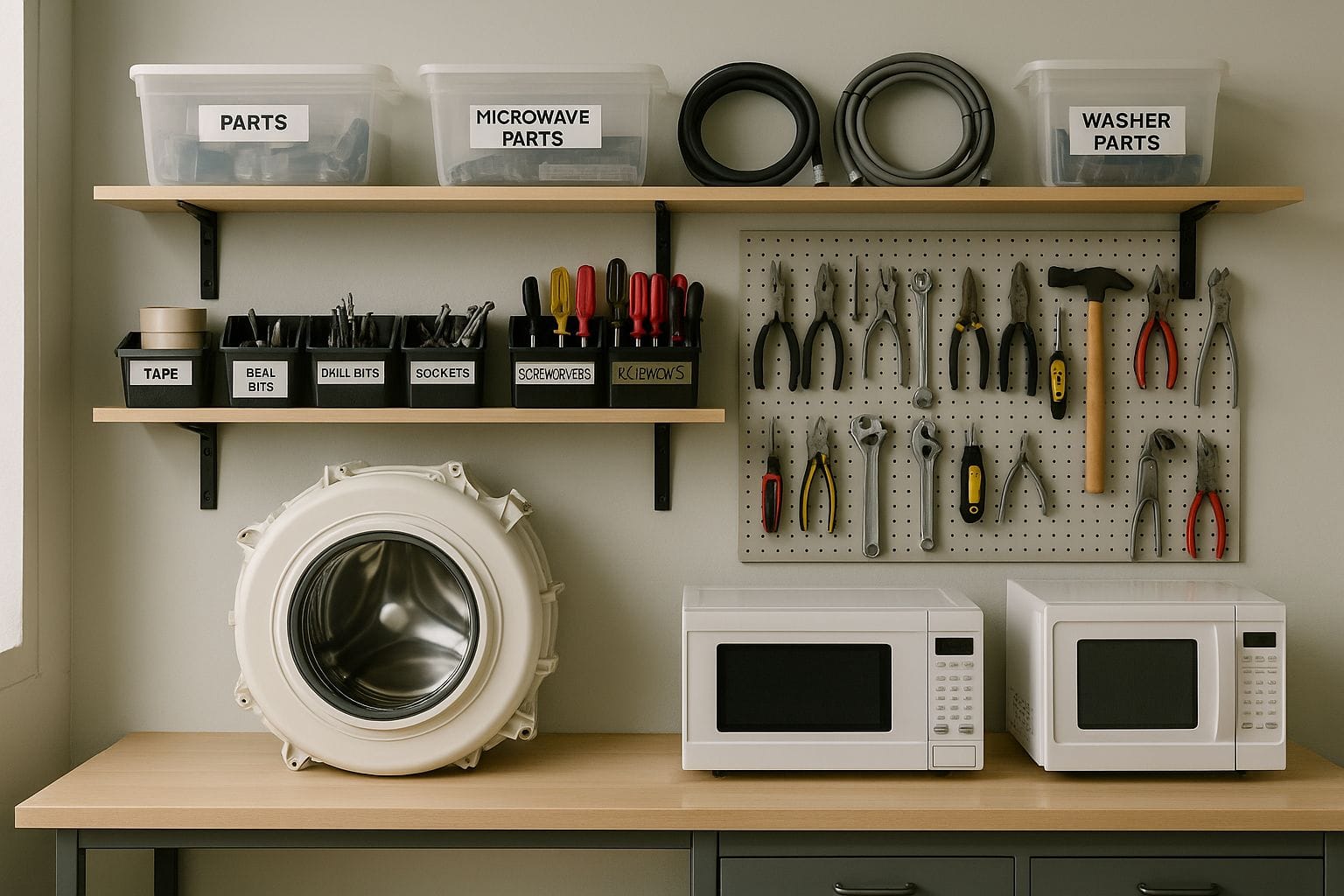
Even if most work is done on-site, a small workshop (400–600 sq. ft.) is essential for diagnostics and part storage. Renting such a space in suburban America costs $700–$1,500 per month, depending on the state.
Tools and Equipment
Startup equipment includes:
- Soldering station ($150–$300)
- Digital multimeter ($50–$150)
- Power supply ($100–$250)
- Screwdriver and tool kits ($300–$500)
- Oscilloscope (optional, $500–$1,200)
Overall, expect $2,000–$5,000 in tool investment. Adding a reliable service van ($10,000–$20,000 used) significantly boosts mobility and branding.
Spare Parts Supply
U.S. repair shops typically work with wholesale distributors such as RepairClinic or Marcone Supply. Ordering parts as needed prevents high inventory costs. Some shops also salvage parts from old appliances to cut costs and serve clients with discontinued models.
TODAY’S EXAMPLE
Mr. Appliance (Waco, TX, USA)
In the U.S., Mr. Appliance has grown into one of the most trusted national brands, offering repair services for nearly every household appliance. Their success highlights the opportunity for independent entrepreneurs to build profitable repair businesses with a focus on reliability, fast service, and strong local marketing.
👉 More about them here.
Marketing Strategy
While referrals and repeat clients drive growth, local marketing is essential. Strategies include:
- Google Business Profile for local search visibility
- Yelp and Angi (formerly Angie’s List) reviews
- Flyers and partnerships with landlords or property managers
- Simple website with booking system ($1,000–$2,000 setup)
Startup Costs & Facility Setup
A micro-production facility in the U.S. typically requires a meaningful, but not prohibitive, upfront investment. Expect $150,000–$250,000 total to cover a small warehouse lease, extrusion equipment, mixers, packaging machines, initial permits, and a cushion for working capital. Lease rates vary widely by region; suburban warehouse space often ranges $3,000–$5,000/month. For a modest line, plan on 1,500–2,500 sq ft (production + small storage + basic office).
“In every American neighborhood, broken appliances mean opportunity — reliable service turns problems into steady income.”
CLOSING THOUGHTS
Appliance repair in the U.S. is more than just fixing machines — it’s solving urgent household problems. With relatively low startup costs, consistent demand, and the potential to expand into a recognized brand, this business is one of the most accessible and reliable service ventures in America today.