
860 Tonnes of Gold, Zero Warrants: The Sovereignty Trade Nobody Sees


Central banks purchased over 860 tonnes of gold in 2025, and gold has now overtaken the euro as the world's second-largest reserve asset. Yet most retail portfolios hold none. This massive institutional accumulation occurs even as governments expand financial visibility into personal transactions without warrants, with banks deploying automated systems that flag patterns in ordinary account activity.
The data reveals a calculated divergence: institutions are securing physical assets to insulate reserves from digital volatility, while individuals face a digital grid designed for maximum transparency. This convergence of sovereign accumulation, new retail accessibility for 100+ million Americans, and a strategic flight from surveillance creates a unique asymmetry for those who understand the shift.
The Sovereign Signal
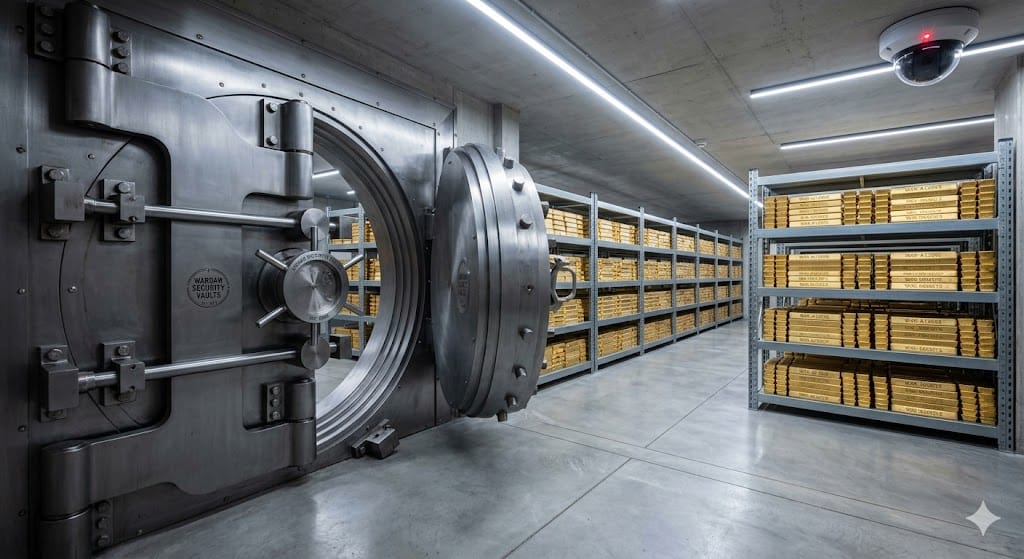
Central banks maintained a pace of gold accumulation not seen in decades throughout 2025. This institutional buying spree pushed gold past the euro as the world's second-largest reserve asset.
While institutions are stockpiling bullion to buffer their reserves, most retail investors hold zero gold. This discrepancy highlights the opportunity for individual investors to align with institutional strategies.
The central bank data indicates a growing recognition of gold's value in a digital economy. Gold's role is expanding beyond traditional inflation hedging to become a critical component of a diversified portfolio. The central bank buying spree underscores the importance of physical assets in a rapidly digitizing world.
The Surveillance Backdrop
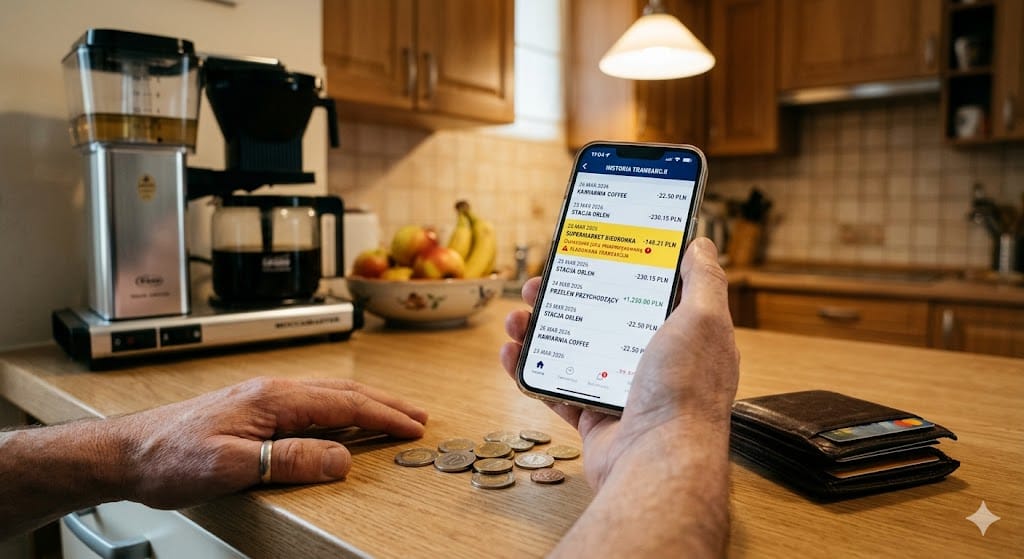
The expansion of financial surveillance is reshaping the investment landscape. Banks are implementing automated monitoring systems that flag patterns in ordinary account activity.
These systems operate under expanded reporting thresholds, meaning routine transactions are subject to increased scrutiny. This creates a potential risk for individuals relying on digital banking systems.
As governments streamline information sharing and accelerate CBDC development, the digital banking grid becomes increasingly transparent. Investors must consider assets outside this grid to maintain financial privacy. Gold, as a physical asset, offers an alternative to digital exposure.
The current environment demands a reevaluation of portfolio strategies, weighing the benefits of digital convenience against the risks of increased transparency.
The Leverage Play
The operational leverage in gold mining is substantial. When a miner's all-in cost is $1,200 an ounce and gold sits above $5,000, even modest production gains can multiply free cash flow dramatically.
This dynamic creates a high-beta environment for investors seeking leveraged exposure. Sub-$5 miners with low production costs are the primary vehicles for this opportunity. These companies benefit from the current gold price environment while offering significant upside potential.
The key is to identify miners with strong operational efficiency, sustainable production, and growth prospects. As gold prices rise, the leverage effect amplifies earnings, creating a powerful compounding effect. The convergence of central bank accumulation and leveraged mining opportunities creates a compelling investment case.

The Retail Infrastructure
The new fractional gold access platforms are poised to transform the investment landscape.
With 2026 shaping up as the year gold investing finally sheds its complexity, these platforms will offer Venmo-style one-click access to physical gold. This infrastructure removes the friction of storage and access for the 100+ million Americans with brokerage accounts.
As these platforms become available, the potential demand shock is substantial. The ease of access will likely drive increased participation in gold investments. Institutional buying and broader retail accessibility are converging into a powerful dynamic likely to amplify the current rally and create a more resilient investment environment.
Why Your Portfolio Needs a Gold Hedge Now
Central banks are accumulating gold while governments are expanding financial surveillance. This divergence creates a unique opportunity for individual investors seeking asset sovereignty. Physical assets like gold offer a critical hedge against digital volatility.
As the digital banking grid grows more transparent, the expansion of gold infrastructure and the divergence in central bank behavior present a compelling case for acting now.