
$8,268 Bought a House in 1920—What It Buys Now Explains the Gold Rush

The Historical Baseline
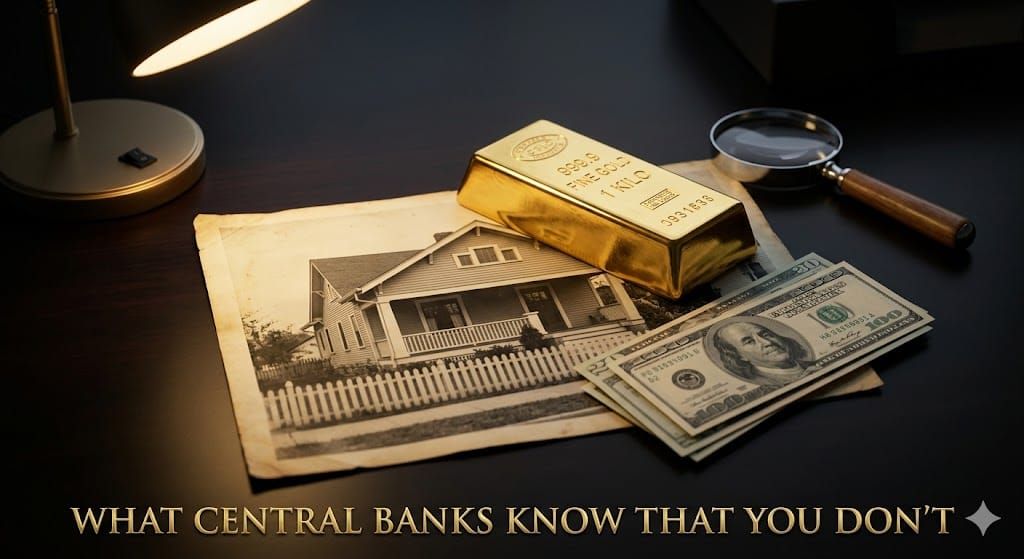
In 1920, $8,268 could buy a house outright. Today the same amount would not cover a used RV. This stark comparison highlights a 96% loss in dollar value over a century, driven by persistent inflationary pressures and monetary policy shifts.
Gold's trajectory since 1920 further illustrates this point, rising from $20 to over $5,000 an ounce. This dramatic increase reflects not just market demand but a growing mistrust in fiat currencies amid economic uncertainties. As central banks continue to accumulate gold reserves, the narrative shifts from speculative investing to operational wealth preservation, especially for retirees seeking to safeguard their assets against inflation.

The Silent Wealth Destroyer
The relentless decline in the value of the currency is a silent wealth destroyer that affects retirees in profound ways. A dollar saved in 1970 buys less than 13 cents worth of goods today. A retiree who held $500,000 in cash through the 2020s lost over $100,000 in real purchasing power without ever seeing a negative balance. Retirees who have accumulated savings over decades are effectively losing purchasing power each year, even if their investments are performing well on paper.
Inflation erodes the value of fixed-income investments, such as bonds, which many retirees rely on for a steady income stream. As inflation rises, the real value of these investments decreases, leaving retirees with less to spend on essential goods and services. This loss is compounded by the fact that retirees may not have the same opportunities to reinvest their savings as they did during their working years, making it increasingly difficult to keep up with rising living costs.

The psychological impact cannot be overstated. Retirees may feel anxious about their financial security, knowing that their savings are not keeping pace with the cost of living. This anxiety can lead to a more conservative investment approach, which may result in even less growth for their portfolios.
The Access Risk
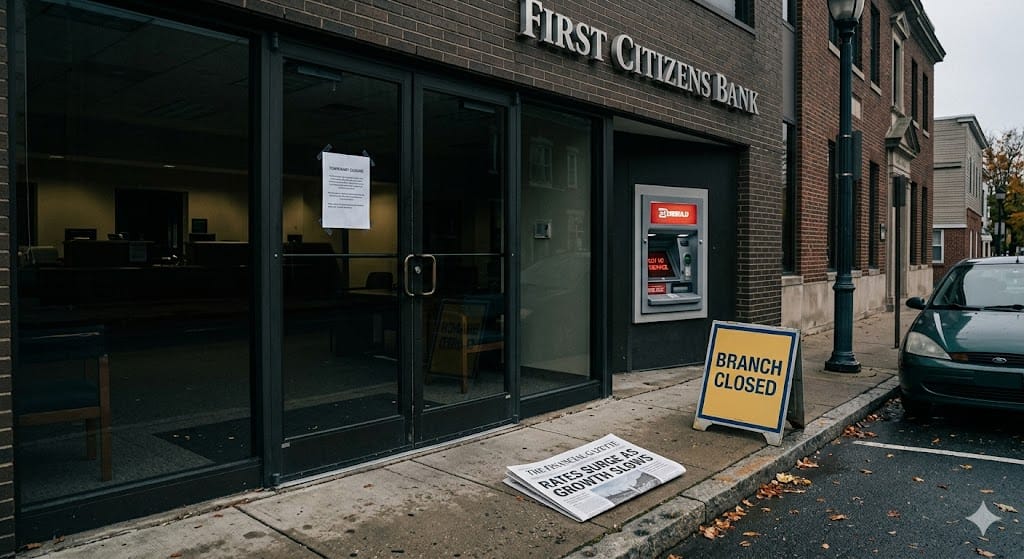
The steady devaluation of the currency poses a significant threat, but the access risk during banking freezes adds another layer of complexity. During the 2023 collapse of Silicon Valley Bank, customers couldn't access their funds for days. During the 2008 financial crisis, money market funds "broke the buck" and froze redemptions. In both cases, depositors found themselves unable to withdraw their money, leaving them vulnerable to liquidity shocks.
The Dodd-Frank resolution framework, established in response to the 2008 crisis, aims to improve the stability of the financial system by enhancing the resolution process for failing banks. However, this framework has its limitations, particularly regarding the protection of individual depositors. In the event of a banking freeze, retirees may face significant challenges in accessing their funds, especially if they rely on a substantial portion of their savings in bank accounts.
With the threat of limited access looming, retirees may be compelled to seek alternative investment vehicles that offer greater liquidity and stability. This shift can lead to a more diversified portfolio, potentially including gold and other precious metals, which are less susceptible to the volatility of the banking system.
Institutional Confirmation
But the central bank signal isn't about price appreciation—it's about liquidity access during a potential banking freeze. Central banks purchased over 860 tonnes of gold in 2025 alone. Gold now represents a larger share of global reserves than the euro, signaling a fundamental shift in how institutions view and prioritize their assets.
This institutional behavior resonates with retirees who are increasingly seeking to protect their savings from the devaluation of paper money. Both central banks and retirees are turning to gold as a means of preserving wealth. As central banks continue to build their gold reserves, it reinforces the idea that gold is not a speculative investment but a vital component of a diversified portfolio for long-term stability.
For retirees, aligning their financial decisions with those of central banks can help navigate the complexities of the current economic landscape. The convergence of institutional behavior and retiree preferences underscores the significance of gold as a hedge, providing a sense of security in an uncertain financial environment.
The Demographic Shift
The fastest growing demographic of gold buyers is Americans aged 55 and older. Gold IRA investment sizes have nearly tripled since 2023, reflecting a decisive shift towards tangible assets that can provide long-term security against economic uncertainties.
By diversifying their portfolios with gold, retirees can mitigate the risks associated with inflation and potential banking freezes. Gold's intrinsic value offers a reliable alternative to fiat currency, which has historically struggled to maintain its purchasing power. As retirees seek to preserve their wealth, the decision to include gold in their investment strategies is becoming a strategic imperative.