
$337 Billion in Unrealized Losses Are Pushing Depositors Toward Gold

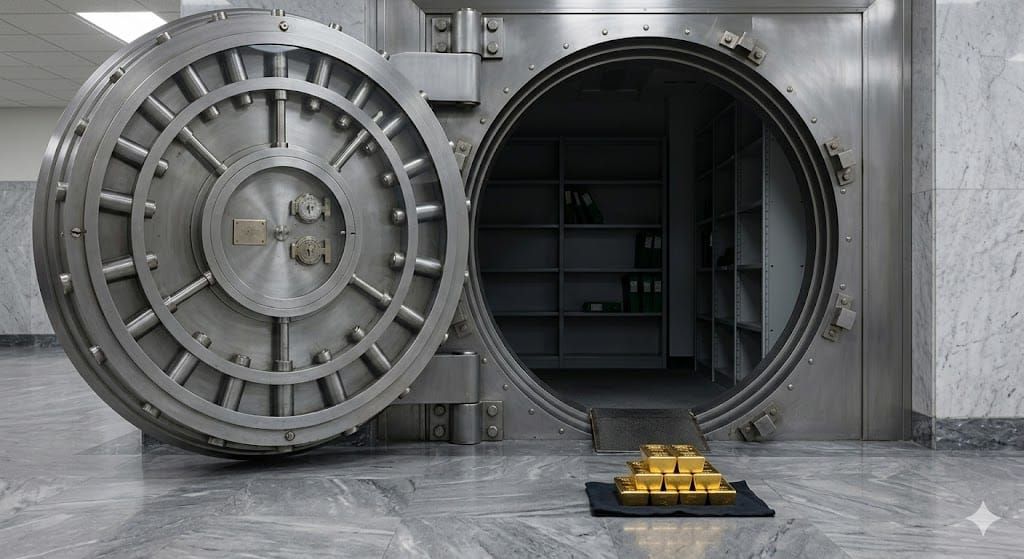
While headlines focus on AI replacing jobs, the real story for investors is the massive unrealized losses sitting on bank balance sheets, creating a safety vacuum that is driving depositors toward gold. America generates 26% of global GDP with 4% of the world's population, but the forces that built that dominance are shifting fast. The Metropolitan Capital Bank failure in January 2026, with $261 million in assets, serves as a microcosm of this fragility, while Gold IRA investments have nearly tripled in average size since 2023.

Unrealized Losses and Systemic Risk
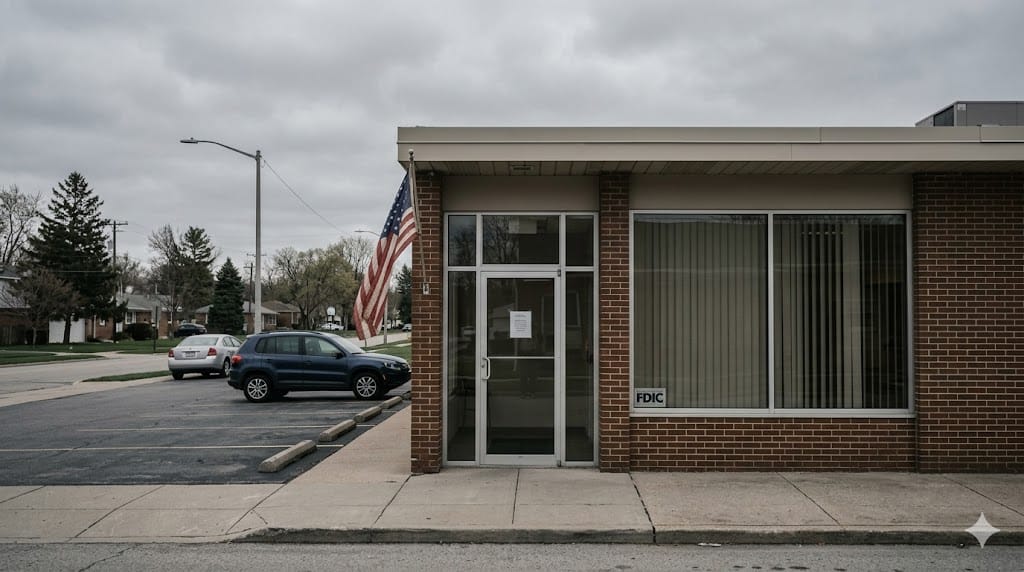
The banking system is carrying roughly $337 billion in unrealized losses on securities portfolios. This figure represents a significant portion of the banking sector's balance sheet, highlighting the fragility within the system.
The FDIC continues to monitor 63 problem banks, indicating ongoing instability in the sector.
When markets experience volatility, the value of securities held by banks can decrease, leading to significant losses. This situation creates a safety vacuum for depositors, prompting them to seek alternative investment avenues such as hard assets.
The combination of these factors creates a perfect storm for depositors seeking safety. As the banking sector grapples with these challenges, the migration of capital toward hard assets is expected to accelerate.
The banking system's overall health is at stake, as the accumulated losses could have a ripple effect throughout the financial industry. Understanding these dynamics and their potential impact on capital allocation strategies is essential.
State Capitalism and AI: Government Equity

The Trump administration has taken equity positions in Intel, Lithium Americas, and MP Materials through Defense Production Act authorities. This move reflects a strategic approach to securing critical sectors of the economy. The government's involvement in these companies is driven by the need to bolster domestic production capabilities in key industries.
The $12 billion strategic minerals stockpile further illustrates the administration's commitment to national security and economic stability. This stockpile serves as a buffer against potential disruptions in the supply chain, ensuring that essential materials are readily available when needed.
A 54-nation Critical Minerals Ministerial signals an unprecedented level of government involvement in private industry. The AI revolution stands to eliminate whole professional categories and fundamentally alter economic structures, creating a new landscape that requires careful navigation.
Stanford economists have called AI "the biggest change ever — bigger than electricity, bigger than the steam engine," highlighting the transformative nature of this technology. The government's equity stakes in key industries, the establishment of a strategic minerals stockpile, and the rapid pace of AI adoption all contribute to a cohesive approach to economic development.
These efforts are aimed at fostering a resilient and competitive economy that can withstand global challenges. By securing key industries and investing in emerging technologies, the administration is laying the groundwork for sustained growth.
The Retail Migration: Gold IRA Surge

The shift toward tangible assets is driven by a combination of factors, including concerns about the stability of traditional financial institutions and the potential for long-term growth in the precious metals market. The decision to invest in Gold IRAs is not merely a reaction to current economic conditions but a strategic move to safeguard wealth.
As the banking sector faces the challenges outlined above, investors are increasingly looking to hard assets for security. Gold, in particular, is seen as a reliable store of value that can withstand market fluctuations.
The government's unprecedented involvement in private industry and the rapid shift in economic forces have created a sense of uncertainty in the financial markets. This environment has prompted investors to diversify their portfolios and include assets that offer long-term stability.
By incorporating tangible assets into their portfolios, retail investors can position themselves to weather economic uncertainties and capitalize on long-term growth opportunities.
What This Means for Your Portfolio
The convergence of AI-driven disruption, government equity stakes, banking instability, and the migration to hard assets signals a significant shift in the financial landscape. For investors, this means reevaluating traditional portfolio allocations and considering alternative strategies that prioritize safety and long-term growth.
Understanding the implications of these developments is crucial for making informed investment decisions. The financial decisions Americans make in the next 12 months could determine which side of the divide they land on.