The Physical World Is On Fire (And Wall Street Is Looking The Other Way)

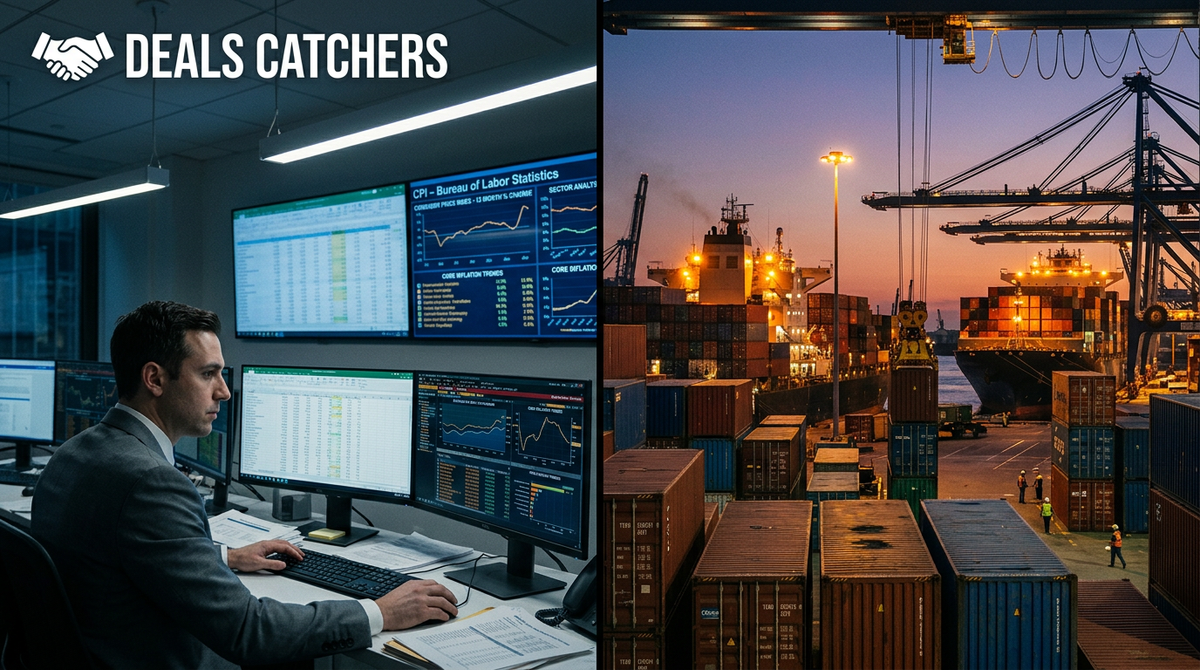
The Greek tanker MV Sounion is taking on water. Thick black smoke pours from its hull. It is slowly sinking into one of the most vital shipping lanes on earth. Yemen’s Houthis didn't just hit a random ship. They hit the central nervous system of global trade. Now, zoom out. That tanker is burning. Our physical supply chain is breaking. Meanwhile, the mainstream financial media sits in air-conditioned Manhattan studios. They point to a sterile spreadsheet from the Bureau of Labor Statistics. They tell you January’s headline CPI cooled to 2.4%. They say inflation is officially dead. They claim the Federal Reserve will cut rates fast. They want you to blindly buy the same overpriced tech stocks you’ve bought for a decade.
The mainstream distracts you with headline numbers. They ignore the massive cracks forming in the "plumbing" of the global economy. Everyone cheered that 2.4% CPI drop on February 12. But the smart money looked at the details. Energy prices secretly jumped 3.2% for the month. Why? Because the physical world doesn't care about Wall Street's rate-cut hopium. When the MV Sounion went down, Brent crude spiked 8% to $85 a barrel. Shipping routes through the Suez Canal have collapsed. Traffic dropped 40% from last year. Ships must reroute thousands of miles around the Cape of Good Hope. They burn millions of gallons of extra fuel. They pay crazy insurance premiums. Deliveries are delayed by weeks.
This isn't a short-term glitch. This is a total rewiring of global logistics. Analysts warn this Red Sea mess could add 0.5% to US CPI by the second quarter of 2026. You are watching a second inflation wave build in real-time. Retail investors who only read headlines can't see it. The smart money isn't waiting for the Fed to save them. They look past shiny consumer brands. They hunt for asymmetric infrastructure trades. They want the suppliers, the physical assets, and the hard tech that power these macro shifts. Are you sitting in a 60/40 portfolio waiting for Jerome Powell to print more money? You're going to get slaughtered. The game has changed. The board is flipped. The physical reality of energy and supply chains will crush the digital illusions of Wall Street.
The Geopolitical Premium and the "Plumbing" Trade
This isn’t a one-off event. It isn't just about one Greek tanker. The physical setup of the global energy market is under attack. Institutional capital is quietly front-running the fallout. Rewind to January 22, 2026. Houthi drones slipped past billion-dollar air defense systems. They struck Saudi Aramco’s Ras Tanura refinery. This isn't some dusty outpost. Ras Tanura is the beating heart of Saudi Arabia's oil operations. That single strike halted 5% of their output instantly. It drove WTI crude up 4% to $82 in just hours.
Yes, Aramco restored 80% of that capacity within 48 hours. But the damage to market psychology was done. Aramco issued a stark warning about severe supply risks. This sparked the same panic we saw during the 2019 Abqaiq attacks. The illusion of secure, cheap Middle Eastern oil is gone. Here is your asymmetric opportunity. The retail crowd is frozen by fear. But smart money is buying companies that own secure, critical infrastructure. Look at ExxonMobil (XOM). Since February 10, Exxon's stock is up 12%. It completely crushed the S&P 500.
Why? Because they own the physical plumbing. They don't rely on fragile supply lines. They *are* the supply line. Exxon's Q4 earnings beat estimates by 15%. Exploding refining margins drove that win. CEO Darren Woods didn't mince words. He said a permanent "geopolitical premium" now adds $5 to $7 to every barrel of oil. This isn't a trading glitch. It is a structural repricing of energy assets. The energy sector ETF (XLE) gained 9% in just 30 days. Big money realizes a simple truth. Whoever controls the physical barrels, domestic refineries, and secure shipping lanes holds all the leverage.
If you want an edge, stop thinking like a consumer. Start thinking like an industrialist. The media obsesses over Apple selling a few more headsets. They ignore a massive problem. The energy needed to make and ship those headsets is choking at the source. Real wealth generation isn't in software right now. It's in hard assets. It's in companies that build industrial automation to replace weak human supply chains. It's in satellite networks like SpaceX. We desperately need these low-earth orbit systems to track and secure shipping in real-time. The infrastructure trade is the only trade that matters. The geopolitical premium is now a permanent fixture on the balance sheet.
The Bond Vigilantes Wake Up
The bond market is the only adult in the room. Retail investors still pray for a soft landing from the Fed. But bond vigilantes are looking at burning tankers. They see the Aramco strikes. They are doing the brutal math. On February 28, the US 10-year Treasury yield spiked to 4.6%. That is its highest level since last November. This is the ultimate truth-teller. The 10-year yield doesn't care about political spin. It is the raw cost of capital reacting to reality.
The mainstream story early this year promised massive rate cuts in 2026. Now? The CME FedWatch tool shows markets expect just 60 basis points of cuts all year. The dream of easy money is dead. Bond vigilantes reacted instantly to hot energy data. They saw Fed Chair Jerome Powell's hawkish pivot on March 1. Even the heavyweights are sounding the alarm. Look at PIMCO's Dan Ivascyn. He manages more fixed-income money than almost anyone on earth. He called this a "disruption signaling policy rethink." When PIMCO says the policy is broken, you don't argue. You adjust your portfolio.
The Fed is completely trapped. They want to cut rates to save commercial real estate. They want to prop up the banks. But they can't. The physical world won't let them. Fed Governor Christopher Waller practically admitted this on February 20. He noted the "upside risks" to inflation. He knows what the smart money knows. You can't print more oil. You can't lower interest rates to fix a bombed-out refinery in Saudi Arabia.
Goldman Sachs' chief economist Jan Hatzius is warning clients. He sees a brutal second inflation wave if oil breaches $90. Brent is already at $85 after the MV Sounion attack. Hitting $90 isn't a worst-case scenario. It's practically a given. If oil hits $90, that 0.5% CPI bump becomes a 1% bump. January's 2.4% CPI print will look like a brief mirage. When inflation speeds up again, the Fed must hold rates higher for longer. This will crush the value of long-term tech stocks. It will wreck over-leveraged private equity deals. Smart money is already preparing. They are dumping mainstream growth stocks. They are moving into structural "plumbing" trades. These assets actually win in a high-rate, high-inflation world.
The $21 Trillion Trap and The Golden Backdoor
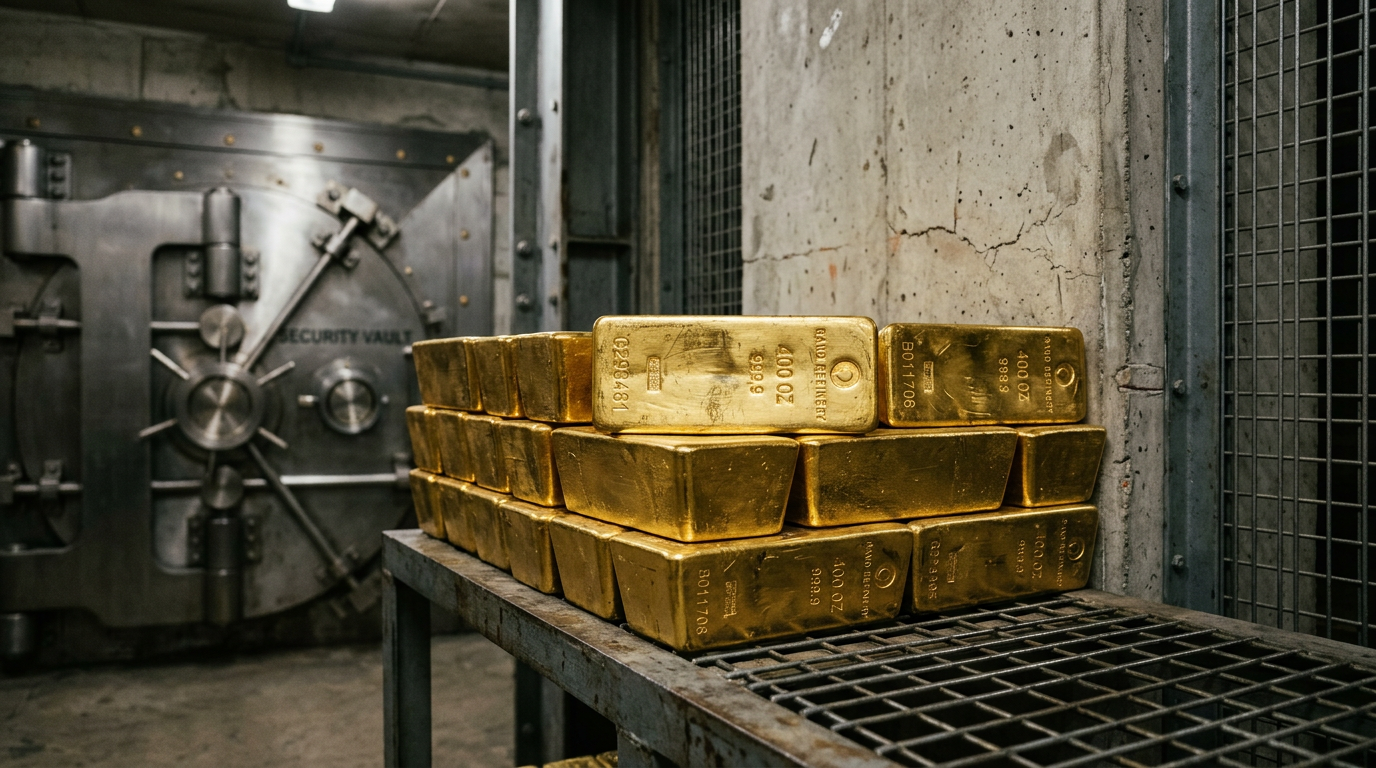
So, where is the big money flowing? Retail investors are eating a daily diet of rate-cut hopium. But the sovereign debt system is cracking. The bond market is throwing a tantrum at 4.6%. When this happens, smart money flows to the oldest hard asset on earth. But they aren’t buying it like your grandfather did. On February 18, right after the Red Sea attack, spot gold surged 5%. It hit $2,750 an ounce. This wasn't a slow climb. It was a massive, panicked institutional shift.
Look at the money flows. In just one week, the GLD ETF saw $1.2 billion in inflows. That isn't retail investors buying coins. That is heavy institutional capital. They desperately need an inflation hedge against the coming oil shock. JPMorgan quickly raised its Q2 forecast to $2,900 an ounce. They cited Middle East risks and sticky, unkillable inflation. But the media is missing a huge piece of the puzzle. Central banks are front-running the entire market. In January alone, central banks bought 300 tonnes of gold. Let that sink in. These institutions control the fiat currency system. Yet they are dumping their own paper to buy physical gold at record speed.
They know the 54-year cycle of the petrodollar is breaking. They see the geopolitical premium. They know supply chains are failing. When that happens, the US dollar loses its weaponized power. But here's the thing. Buying gold coins and burying them in your yard is for doomsday preppers. Smart money doesn't just buy the metal. They look for backdoors. They find gold loopholes and specific supplier stocks. They hunt for junior miners with pre-IPO potential. They use private equity structures like Reg A+ offerings. This lets them own the infrastructure of gold extraction. They get in before the retail market even knows it exists.
Central banks just bought 300 tonnes. This creates a massive floor under the price of gold. This is the definition of an asymmetric opportunity. Nation-states protect your downside. The upside is uncapped because $85 oil is driving a second inflation wave. The mainstream will tell you gold is a "barbarous relic." They say it doesn't pay a dividend. Let them think that. They will lose 10% on their tech stocks because the 10-year Treasury yield won't drop. Meanwhile, smart money is building generational wealth. They buy the hard assets that actually backstop the global financial system. Stop looking at the stock ticker. Start looking at the monetary plumbing.
The Playbook for the New Infrastructure Reality
Here is the bottom line. Let's strip away the Wall Street jargon. You are living through a massive regime change. The era of cheap energy is over. Frictionless global supply chains are gone. Zero-percent interest rates are dead and buried. Look at the burning MV Sounion tanker. Look at the drone strikes on Saudi Aramco. Look at the 4.6% 10-year Treasury yield and central banks hoarding gold. These are not random data points. They are flashing red warning lights for a new economic reality.
The mainstream media wants you to stay asleep. They want you to look at that 2.4% January CPI print. They want you to think we are going back to 2019. But smart money knows the truth. The "plumbing" of the future economy requires a totally different playbook. This transition is exactly why I focus on asymmetric infrastructure trades. The physical world is getting dangerous and expensive. The companies that secure, automate, and supply that world will become the most valuable assets on earth.
You need to look at Physical AI. Look at the sensors, actuators, and industrial robots. They will replace the human nodes in our fragile supply chains. You need to look at the energy sector. It isn't just a trade. It is a fundamental pillar of your portfolio. ExxonMobil jumped 12% because of a $7 geopolitical premium. That is a structural shift, not a blip. You must understand how institutional capital works. They use private equity loopholes and pre-IPO structures. They gain access to hard tech and resource companies long before they hit public exchanges.
Don't be the clueless retail investor. Don't wait until a second inflation wave cuts your portfolio in half to realize the rules changed. Stop trusting headline numbers. Start tracking physical barrels of oil. Watch the shipping routes, bond yields, and central bank gold flows. The opportunities in this market are massive. But they are hidden behind the scenes. They live in the dirty, unglamorous infrastructure that makes the world run. Smart money is already moving their chips. It’s time to stop listening to the noise. Look at the brutal reality of the physical world. Position yourself in assets the Federal Reserve cannot print, hack, or wish into existence.