AI's 160% Power Surge and Gold's M&A Frenzy Share One Root Cause

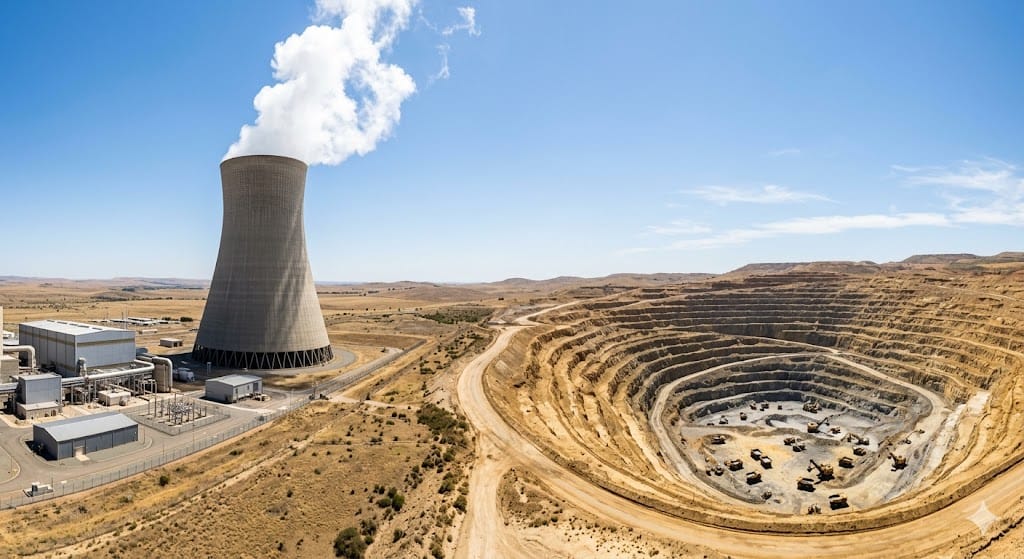
While headlines celebrate AI growth, the real story is a massive surge in power demand by 2030 that solar and wind cannot meet, forcing a pivot to nuclear that mirrors the gold sector's scramble for reserves. Tech giants are now securing significant new nuclear capacity, just as gold miners acquire juniors at substantial premiums to replenish reserves, signaling a broader market shift toward pricing physical scarcity.
Both are responding to a scarcity that cannot be replicated or substituted.
The Nuclear Push
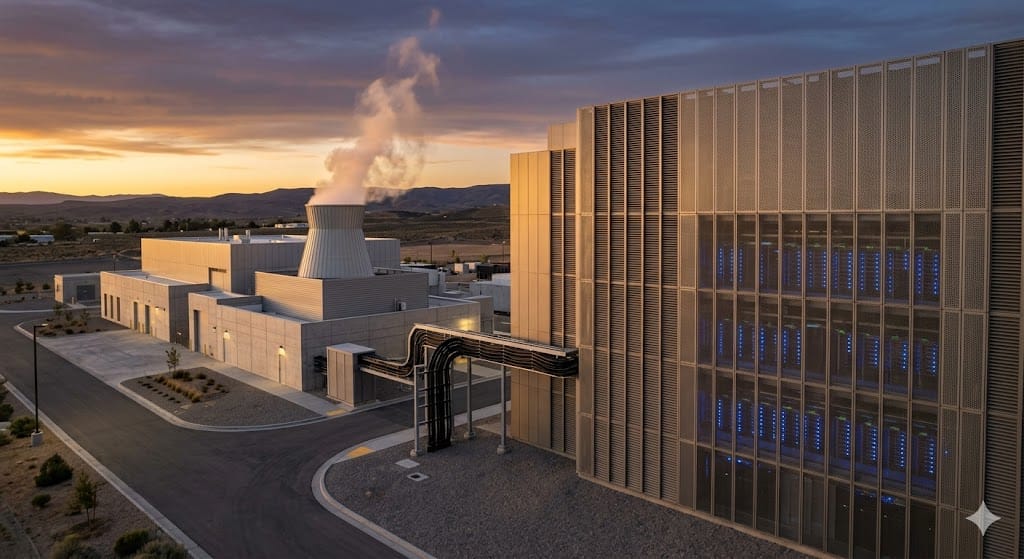
The AI boom is not just a software phenomenon; it is a power consumption phenomenon. Data centers, the backbone of AI, require a constant and massive supply of electricity.
As AI models grow more complex and data centers expand, the demand for electricity is skyrocketing. Projections indicate that data center electricity demand is set to rise by 160% by 2030. This staggering figure highlights the physical infrastructure challenges facing the digital economy.
Solar and wind power, while renewable, are intermittent and cannot meet the 24/7 demands of AI data centers. Nuclear energy provides a reliable and consistent power supply, making it the ideal solution.
The commitment of Big Tech companies to nuclear power is a clear signal of their recognition of this challenge. Microsoft, Google, Amazon, and Meta have all committed to over 10 gigawatts of new nuclear capacity. This is a significant investment that underscores the importance of nuclear power in the AI ecosystem.
The Department of Energy has fast-tracked the approval of new nuclear projects, recognizing the critical role nuclear power will play in meeting the growing energy demands of the digital economy. Small modular reactors are also gaining traction as a viable solution. These reactors are smaller and more flexible than traditional nuclear reactors, making them easier to deploy and integrate into existing power grids.
The Shift Toward Sustainable Energy
The push for nuclear power is not just about meeting the energy demands of AI data centers; it is also about ensuring the long-term sustainability of the digital economy. Nuclear power offers a clean and reliable energy source that can support the growth of AI without compromising environmental standards.
By securing a stable and reliable power supply, these companies are positioning themselves for future success in the AI industry.
The Gold M&A Wave
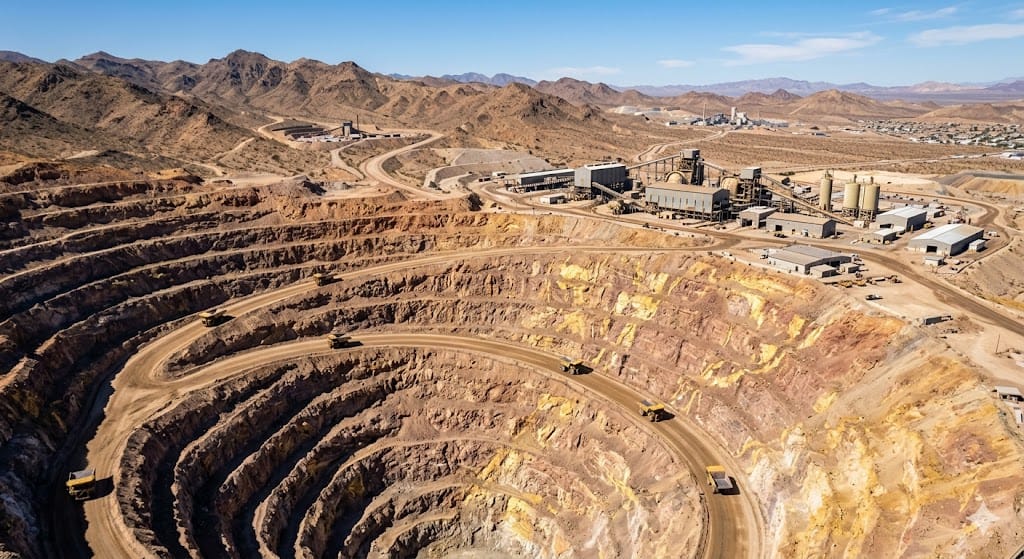
While Big Tech is securing nuclear power for AI data centers, the gold sector is undergoing its own transformation. The surge in gold prices has created a scramble for reserves, leading to a wave of mergers and acquisitions in the industry. Newmont Corporation, one of the world's largest gold miners, has generated $4.5 billion in free cash flow and trades at roughly 11x earnings.
This financial strength has enabled Newmont to acquire other miners, expanding its reserves and solidifying its position in the market. Junior miners are being acquired at premiums of 50% to 100%, indicating a strong demand for new reserves.
With gold above $5,000 an ounce, the competition for reserves has intensified. Companies are willing to pay a premium to secure their position in the market. As reserves become harder to find and develop, companies are turning to acquisitions as a means of securing their future.
The Convergence
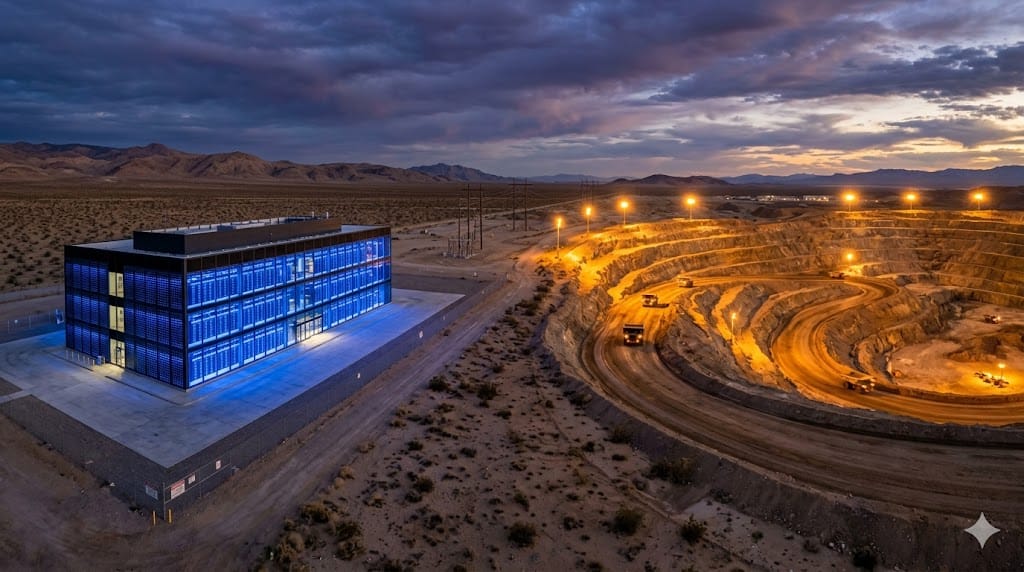
The AI boom and the gold M&A wave highlight a fundamental truth about the current economic landscape: finite resources are becoming the new battleground for capital allocation. Both sectors are responding to the same underlying constraint—scarcity. In the case of AI, the scarcity is power. In the gold sector, the scarcity is reserves.
The implications of this convergence are significant. For investors, it signals a shift in capital allocation towards hard assets. The focus is no longer solely on software or digital assets, but on the physical infrastructure that supports them.
The convergence also underscores the importance of diversification in a portfolio. By investing in both AI-adjacent energy plays and gold, investors can hedge against the risks associated with each sector while capitalizing on the opportunities they present. Finite resources are the new moat.
In times of resource scarcity, capital flows toward whatever secures the physical inputs needed for growth. The AI boom and the gold M&A wave are not isolated phenomena; they are part of a broader reallocation toward tangible assets that will shape portfolio construction for years to come.